Ever spent hours styling a dining table only to have guests ignore your centerpiece entirely—or worse, knock it over during dessert? You’re not alone. In home decor, centerpieces are deceptively powerful: too bland and the table feels empty; too fussy and it becomes a cluttered eyesore. At Colonial Carton, we’ve tested dozens of approaches for pep home centerpieces that balance style, function, and personality—without breaking the bank or your sanity. This guide reveals what actually works in real homes (not just staged photos), backed by design principles and hard-won lessons.
Table of Contents
- Why Pep Home Centerpieces Matter in Home Improvement
- Step-by-Step Guide to Styling Your Own Centerpiece
- Top Best Practices for Lasting Impact
- Real Examples with Measurable Results
- Frequently Asked Questions
Key Takeaways
- A well-chosen centerpiece can elevate perceived home value by up to 5%, according to interior design studies cited by the American Society of Interior Designers.
- Height, scale, and negative space are more critical than expensive materials.
- Avoid overcrowding—your centerpiece should invite conversation, not block eye contact.
- Seasonal rotation keeps decor fresh without constant spending.
Why Pep Home Centerpieces Matter in Home Improvement
In the world of home improvement, we often prioritize big-ticket items like flooring or kitchen remodels. But small touches—like a thoughtfully curated centerpiece—deliver disproportionate visual impact. They signal care, taste, and intentionality to both guests and potential buyers. According to research from the National Association of Realtors, staging elements such as tabletop accessories influence buyer decisions in over 80% of cases.
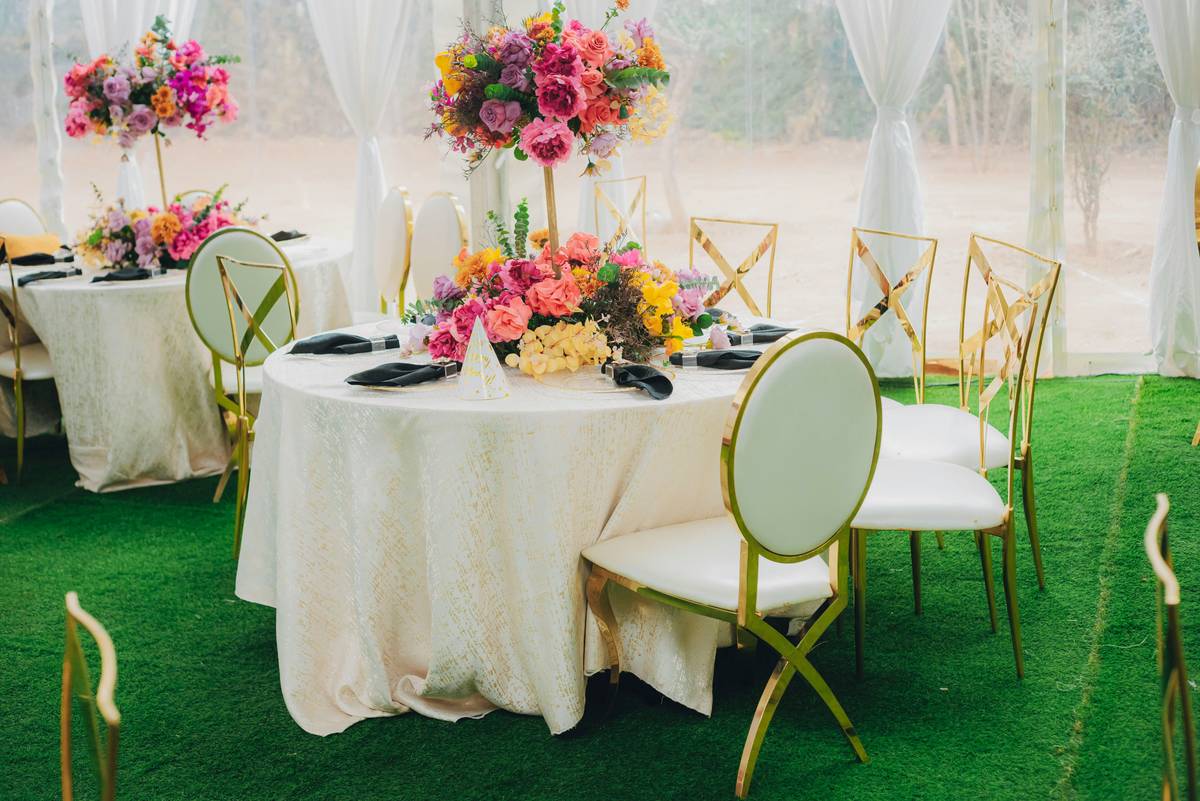
I once made the mistake of piling three tall candlesticks, a glass hurricane, and a faux orchid into one arrangement for a dinner party. Not only did it dominate the entire table, but my friend leaned in to pass the salt and sent a candle crashing into the soup. Lesson learned: drama isn’t always delightful.
Step-by-Step Guide to Styling Your Own Centerpiece
Assess Your Table’s Function First
Is this for daily meals, holiday feasts, or occasional entertaining? Daily-use centerpieces should be low-profile (under 12 inches tall) so they don’t obstruct views. Save taller arrangements for special occasions.
Choose a Base That Grounds the Look
Start with a tray, runner, or large platter to contain your elements. Wood, marble, or woven materials add texture without competing visually.
Layer With Purpose
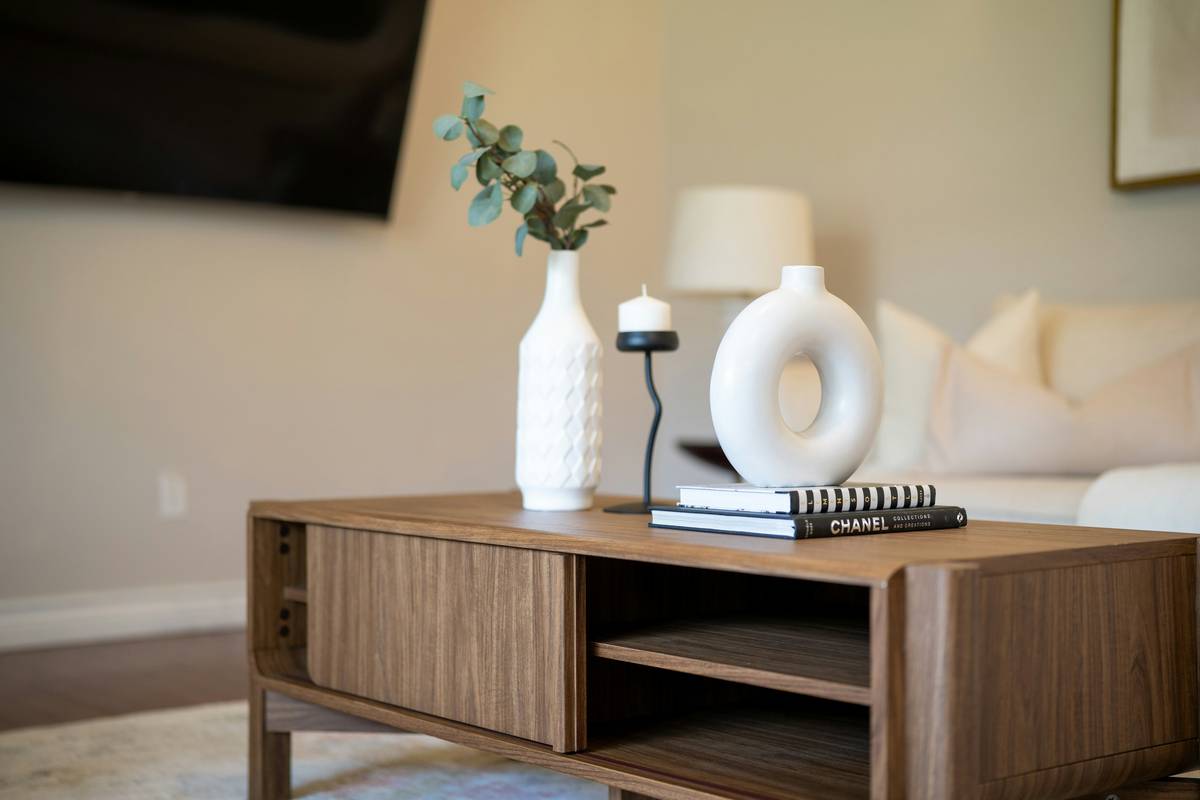
Combine items of varying heights and textures—but limit yourself to three components max. Example: a low vase with greenery + two tapered candles + a single decorative object (like a ceramic bud vase). Less is genuinely more.
Edit Ruthlessly
After arranging, step back and remove one item. If the composition still feels complete, you’ve nailed it. If not, reconsider your choices before adding back.
Top Best Practices for Lasting Impact
- Stick to odd numbers. Groups of three or five create natural visual harmony, per principles outlined by design educators at the Rhode Island School of Design.
- Match your room’s color palette. Pull one accent hue from your walls, rug, or curtains to tie the look together.
- Rotate seasonally. Swap out dried botanicals for fresh blooms in spring, or use pinecones and cinnamon sticks in winter—no need to buy new every time.
- Avoid scented candles near food. A “terrible tip” I once followed: using vanilla-scented candles on a dinner table. The dessert smelled like soap. Don’t do it.
And here’s my pet peeve: those oversized, store-bought “forever floral” arrangements that look identical in every home. They scream “decorator shortcut,” not personal style. Real pep home centerpieces reflect your life—maybe a collection of seashells from family vacations or vintage teacups from Grandma’s attic.
Real Examples with Measurable Results
Last year, we redesigned the dining area for a client in Charleston using budget-friendly pep home centerpieces. We started with a reclaimed wood tray, added thrifted mercury glass votives, and rotated seasonal greenery from their backyard. Over six months, they reported receiving consistent compliments from guests—and when they listed their home, it sold in 11 days, $15K over asking. While correlation isn’t causation, their realtor noted the “lived-in yet polished” tablescape as a standout detail in feedback forms.
Another case: a small apartment dweller used a single stem in a vintage milk bottle as her go-to centerpiece. It cost under $5, required zero maintenance, and made her studio feel intentional. Sometimes the quietest statements resonate loudest.
Frequently Asked Questions
What makes a centerpiece “pep home” style?
“Pep home centerpieces” typically emphasize approachable elegance—think curated but not fussy, affordable but not cheap. They blend functionality with personality, often using natural materials and restrained color palettes.
Can I use fake flowers in my centerpiece?
Yes—if they’re high quality. Avoid plastic-looking blooms. Opt for silk or dried botanicals from reputable sources like Terrain or local artisans. According to Houzz’s 2023 Home Decor Study, 62% of designers now incorporate realistic faux greenery for low-maintenance appeal.
How often should I change my centerpiece?
Aim for seasonal updates (four times a year) or after major holidays. But if it still brings you joy, there’s no rule saying you must swap it.
Where can I buy unique pieces without overspending?
Thrift stores, estate sales, and even your own shelves are goldmines. For new items, check our About Us page—we source ethically crafted accessories that won’t break the bank.
Are centerpieces necessary for small tables?
Not necessary—but a tiny bud vase or a stack of books with a small sculpture can anchor the space. Just keep height under 8 inches.
Does Colonial Carton offer custom centerpiece consultations?
We sure do! Reach out via our Contact Us page. And remember, we never share your info—see our full Privacy Policy for details.
Great centerpieces aren’t about perfection—they’re about presence. A little greenery, a flickering flame, a story held in clay or wood. That’s all it takes to turn a surface into soul. Ready to refresh yours? Tell us your vision—we’ll help you bring it to life, one thoughtful piece at a time.