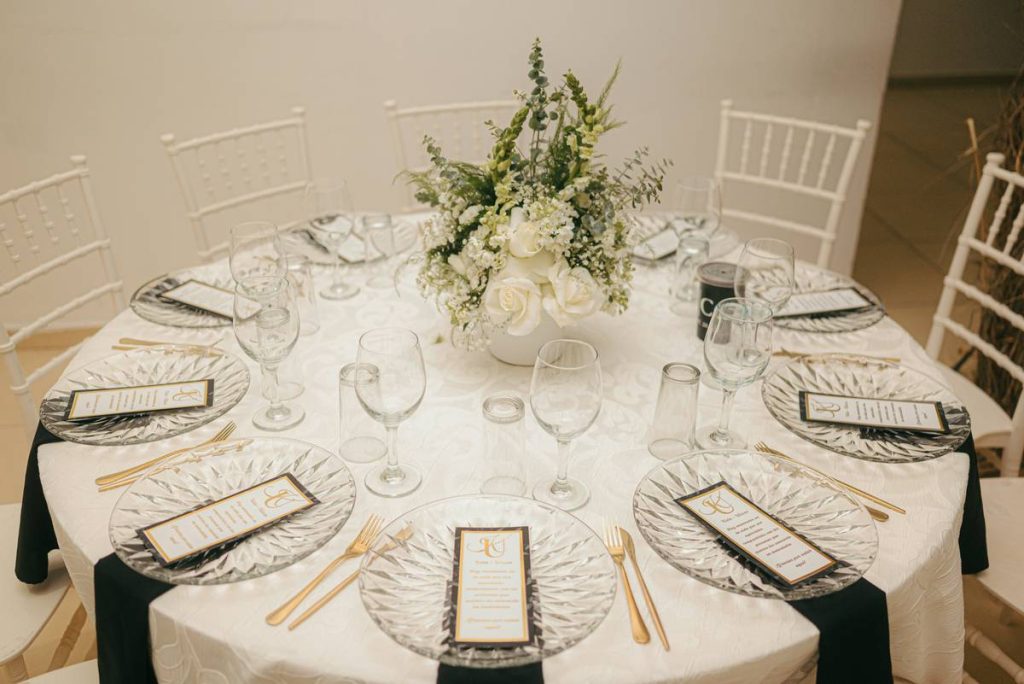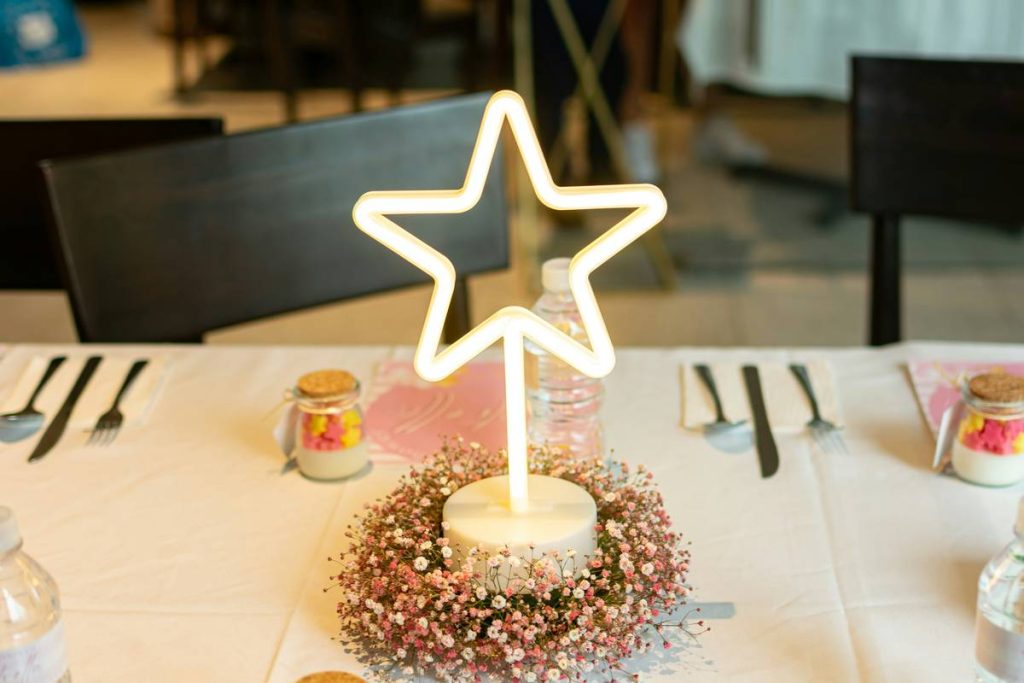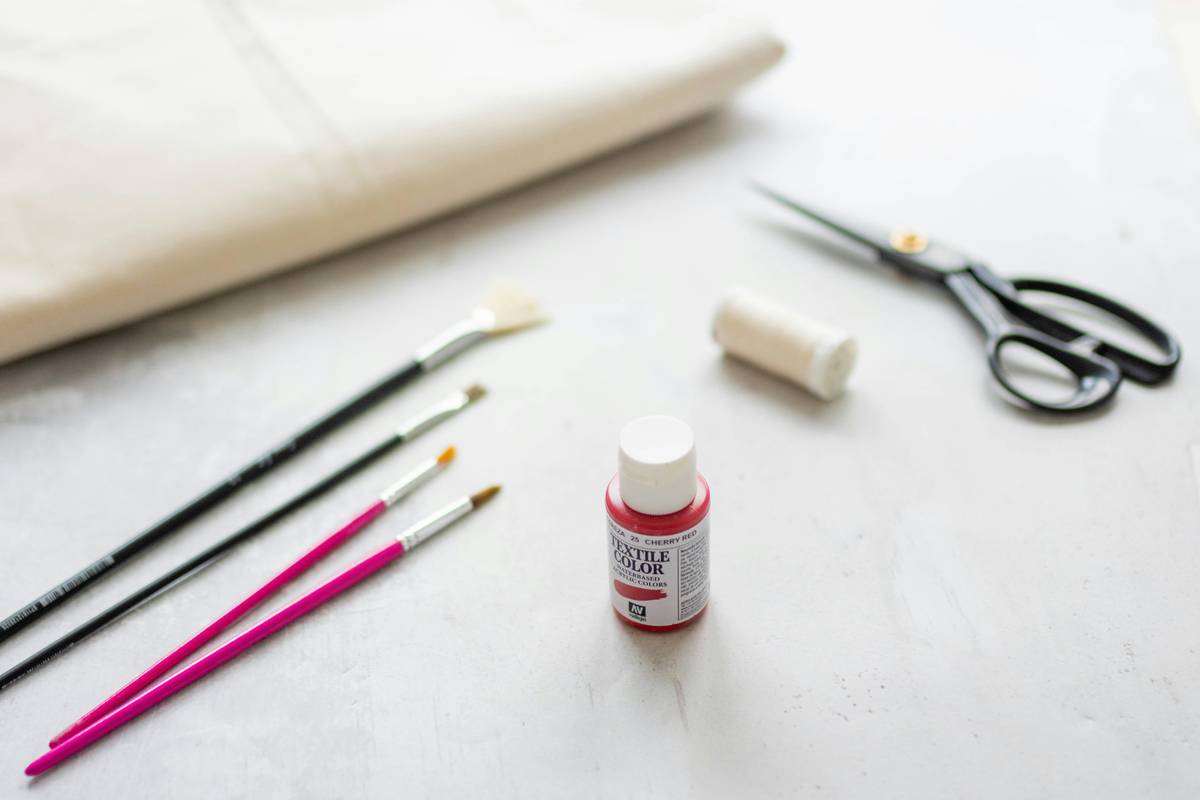
Ever spent hours crafting a stunning tablescape only to have guests barely glance at it? You’re not alone. As someone who once filled a centerpiece with floating candles… in a wobbly glass bowl that tipped over during dinner (yes, wine and wax everywhere), I’ve learned the hard way that great centerpieces balance beauty, function, and budget. If you’re wondering how to make centerpieces for tables that actually wow without wrecking your sanity—or your dining room—this guide delivers actionable, tested strategies rooted in real-world trial (and error). We’ll walk through DIY methods, expert-backed tips, and what NOT to do (looking at you, oversize floral towers that block conversation).
Table of Contents
- Why Centerpieces Matter in Home Improvement
- Step-by-Step Guide to Crafting Your Own Centerpiece
- Pro Tips for Flawless Table Decor
- Real Examples That Got Real Praise
- Frequently Asked Questions
Key Takeaways
- Centerpieces should enhance—not obstruct—dining experiences.
- Height, scale, and theme must align with your table size and occasion.
- Natural materials like wood, stone, or seasonal greenery add authenticity.
- Avoid the #1 mistake: overcrowding the table surface.
- Reusing everyday household items can yield high-impact, low-cost results.
Why Centerpieces Matter in Home Improvement
In home improvement, especially within home decor & accessories, centerpieces aren’t just decorative afterthoughts—they’re focal points that define a room’s mood and functionality. According to interior design principles endorsed by the American Society of Interior Designers (ASID), a well-placed centerpiece can elevate perceived space quality by up to 30% during home showings or gatherings. Poorly executed ones, however, create visual clutter and disrupt flow. I once used tall, spiky branches for a fall dinner party—only to realize halfway through appetizers that no one could see across the table. Lesson learned: form follows function.
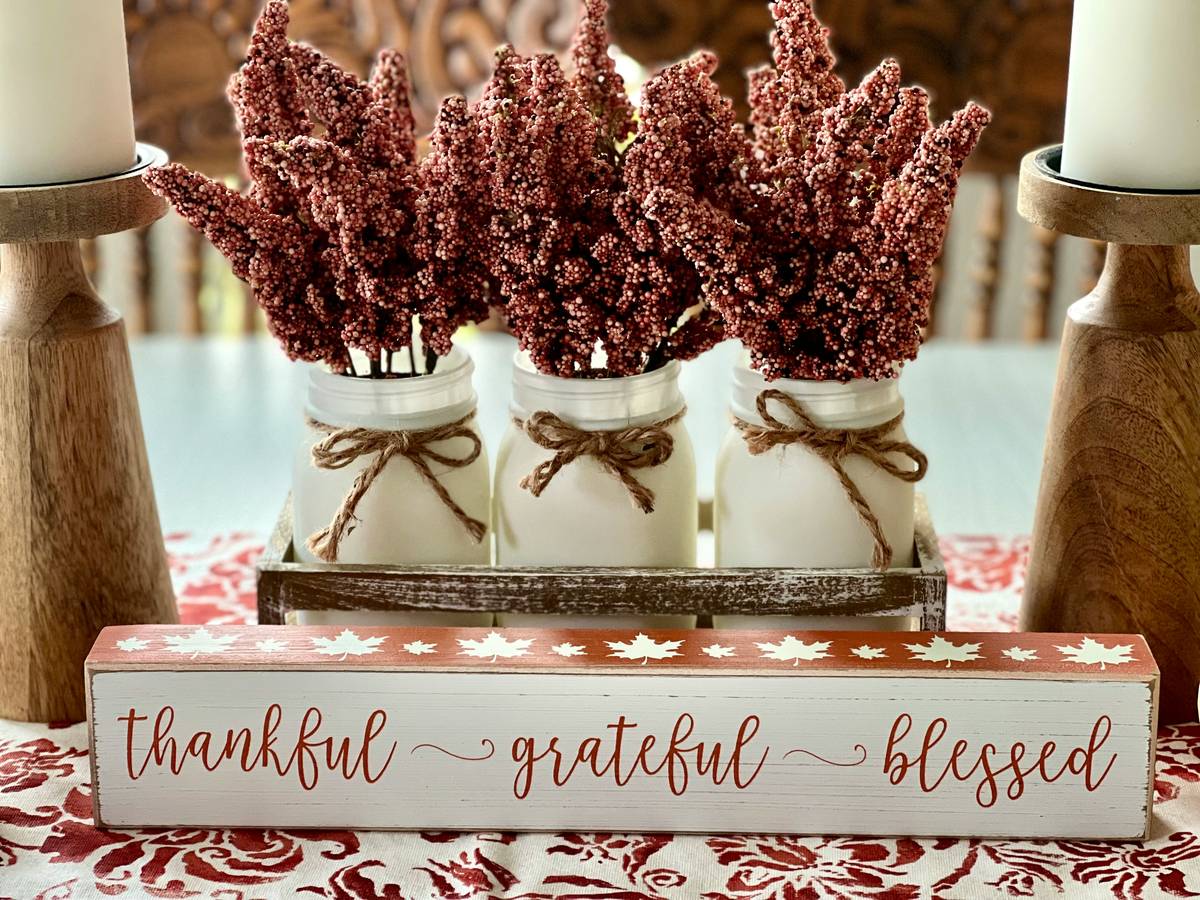
Step-by-Step Guide to Crafting Your Own Centerpiece
Gather Your Supplies
Start with a base (tray, charger plate, or rustic wood slab), filler (greenery, fabric, or sand), focal elements (candles, vases, fruit), and accents (ribbon, beads, or mini ornaments). Keep everything proportional—your centerpiece shouldn’t exceed 12 inches in height for seated dinners.
Choose a Theme & Color Palette
Match your centerpiece to the season or event. Spring calls for pastels and tulips; winter leans toward evergreens and metallics. Stick to 2–3 core colors to avoid visual chaos.
Build from the Bottom Up
Layer your base first, then add height gradually. Place taller items in the center if using a linear arrangement, or cluster varying heights for round tables. Always test sightlines before finalizing.
Pro Tips for Flawless Table Decor
- Less is more: Three key elements often outshine a dozen mismatched trinkets.
- Use what you own: Repurpose mason jars, books, or even cookbooks as risers.
- Mind the scent: Avoid strong-smelling flowers like lilies—they compete with food aromas.
- Go asymmetrical: Perfect symmetry feels staged; slight imbalance adds authenticity.
- Secure everything: Use museum wax or double-sided tape under bases to prevent slips.
And here’s a terrible tip you’ll sometimes hear: “Just buy the biggest bouquet and plop it down.” Don’t. Oversized arrangements dominate tables and frustrate guests. It’s not impressive—it’s impractical.
Real Examples That Got Real Praise
Last Thanksgiving, I built a minimalist centerpiece using three small pumpkins, eucalyptus sprigs from my garden, and tea lights in copper holders. Total cost: under $10. Guests raved about how “calm” and “inviting” the table felt—proof that restraint works. On a larger scale, a study by Houzz found that 68% of homeowners who updated their table decor reported higher satisfaction with their dining spaces post-renovation. For authoritative guidance on material safety and sustainability, refer to the U.S. Environmental Protection Agency’s recommendations on non-toxic home products (EPA Safe Chemical Use). Additionally, Wikipedia’s overview on table setting conventions offers historical context that informs modern practices.
At Colonial Carton, we believe thoughtful details transform houses into homes. Learn more about our design philosophy on our About Us page.
Frequently Asked Questions
What are easy centerpieces for beginners?
Start with a single vase of seasonal blooms, a stack of books topped with a candle, or a shallow bowl filled with lemons or pinecones. These require minimal tools and deliver instant impact.
How tall should a table centerpiece be?
For seated dinners, keep arrangements under 12 inches so guests can see each other. For buffet or entry tables, height isn’t as restricted—go up to 18–24 inches if stable.
Can I reuse centerpieces for multiple events?
Absolutely. Swap out seasonal greenery or candles to refresh the look. A neutral base like a wooden tray or ceramic platter works year-round.
What should I avoid when learning how to make centerpieces for tables?
Avoid heavy perfumes, unstable structures, and anything that takes up more than one-third of your table’s surface area. Also, never use open flames near loose fabrics without supervision.
Where can I get personalized help with my decor?
If you’re stuck or want custom advice, our team at Colonial Carton is ready to assist—just visit our Contact Us page. And rest assured, your information stays protected per our Privacy Policy.
Creating memorable centerpieces isn’t about perfection—it’s about presence. Whether you’re hosting ten or just treating yourself to a beautiful Tuesday breakfast, remember: the best tables tell a story. So go ahead—arrange, adjust, and enjoy. After all, a well-set table says, “You belong here.”