Staring at an empty reception table two weeks before your wedding, wondering how to make it look magical without blowing your entire decor budget? You’re not alone. Over 60% of couples admit overspending on centerpieces—only to realize guests barely noticed them (according to The Knot’s 2023 Real Weddings Study). The good news? Stunning doesn’t have to mean complex or expensive. In this guide, we’ll walk you through practical, budget-savvy approaches to creating memorable tablescapes that wow without the stress—or the wallet drain.
Table of Contents
- Why Simple Centerpieces Matter
- Step-by-Step Guide to Effortless Elegance
- Top Tips for Flawless Execution
- Real Examples That Actually Worked
- Frequently Asked Questions
Key Takeaways
- Less is more: minimalist arrangements often photograph better and cost less.
- Repurpose ceremony decor to stretch your budget smartly.
- Natural elements like greenery or fruit add texture without flowers.
- Avoid tall centerpieces if conversation flow is a priority.
- Your centerpieces should complement—not compete with—your venue.
Why Simple Centerpieces Matter
In home improvement and event styling alike, clutter kills charm. Wedding centerpieces are no exception. Too many layers, colors, or mismatched textures can overwhelm guests and distract from what truly matters: connection. I learned this the hard way during my sister’s backyard nuptials. We went all out—crystal candelabras, cascading orchids, mirrored trays—and spent hours assembling them. By dinner, half the candles had tipped over, petals were scattered everywhere, and Uncle Bob kept knocking over vases trying to lean across the table. It was a beautiful disaster.
Step-by-Step Guide to Effortless Elegance
1. Start with Your Venue’s Vibe
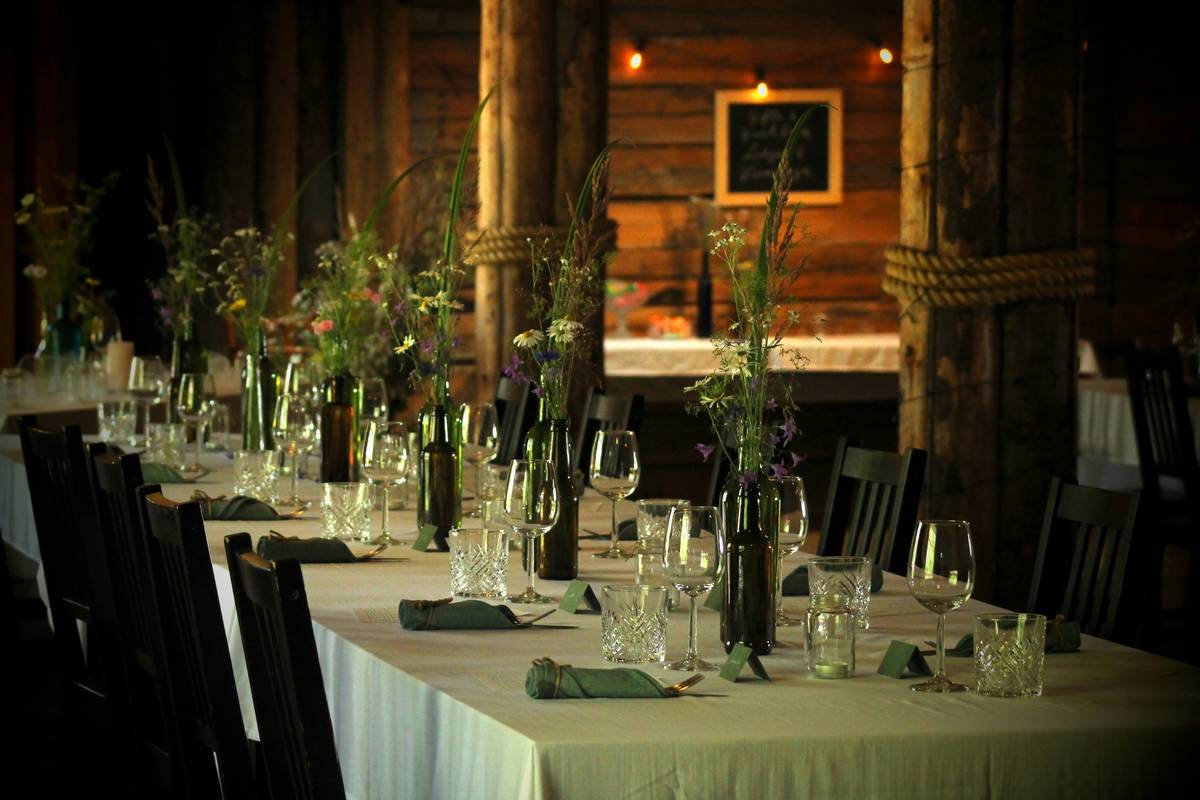
Is your reception in a barn, ballroom, or beachside tent? Match your centerpiece scale and material to the space. A grand hall can handle slightly taller pieces; a cozy garden? Keep everything under 12 inches so guests can see each other.
2. Choose One Focal Element
Pick just one hero item: a single bloom type, a cluster of candles, or even vintage books wrapped in linen. This creates cohesion across all tables without chaos.
3. Build Height & Texture Thoughtfully
Use varying heights within moderation—e.g., one tall candle flanked by low bud vases—but never block sightlines. Add texture with eucalyptus, olive branches, or seeded eucalyptus (which dries beautifully and lasts beyond the event).
4. Reuse Ceremony Flowers
Many florists offer “flip” services—moving arch arrangements to reception tables post-ceremony. This cuts costs by up to 30%, per Brides.com.
Top Tips for Flawless Execution
- Use what you own: Mason jars, thrifted candlesticks, or heirloom bowls add personality and cut rental fees.
- Ditch fresh flowers for greenery: According to the Society of American Florists, greenery-only arrangements cost 40% less than full floral designs.
- Lighting > Flowers: A few well-placed LED tea lights create ambiance that photographs beautifully, rain or shine.
- Never go wider than 18 inches: Tables need room for plates, glasses, and elbows!
- Test your layout: Set up one full table two weeks prior. Invite friends over for dinner and get honest feedback.
Real Examples That Actually Worked
Last summer, a couple in Asheville used local river stones, white taper candles in mismatched brass holders, and sprigs of rosemary from their garden. Total cost per table: $9. Guests raved about the “warm, earthy” feel—and several asked for the DIY instructions. Another example: a Brooklyn loft wedding featured stacks of vintage hardcovers tied with twine, topped with a single peony. Not only did it align with their literary theme, but they later donated the books to a local library. These ideas for simple wedding centerpieces prove that meaning trumps magnitude every time.
At Colonial Carton, we’ve seen firsthand how intentional simplicity elevates events. Our team specializes in turning modest visions into polished realities—something you can explore further on our About Us page.
Frequently Asked Questions
What are the cheapest materials for wedding centerpieces?
Greenery (like ivy or ferns), unscented candles, seasonal fruit (lemons, pomegranates), and borrowed or thrifted containers offer maximum impact for minimal cost.
How do I keep centerpieces from blocking conversation?
Keep all elements under 12 inches tall. Opt for low, sprawling arrangements or use transparent vessels like glass cylinders that maintain visual openness.
Can I use fake flowers for wedding centerpieces?
Yes—if they’re high-quality silk or latex. Avoid plastic-looking blooms. Many premium faux florals now pass as real in photos and save significant money long-term.
Should centerpieces match the bridal bouquet?
They should complement it, not replicate it. Use the same color palette or one shared flower type, but simplify the arrangement for tables.
How far in advance can I make centerpieces?
Non-floral pieces (candles, books, greenery) can be assembled 3–5 days ahead. Fresh floral centerpieces should be made 1–2 days prior to avoid wilting.
Where can I find affordable vases or containers?
Check dollar stores, thrift shops, or even borrow from friends. For bulk rentals, sites like Party City or local event suppliers often have budget-friendly options.
Remember: your wedding day isn’t judged by how many orchids filled your tables—it’s remembered for how people felt. Warmth, joy, and authenticity outshine extravagance every time. Ready to bring your vision to life without the guesswork? Contact us for personalized advice tailored to your space and style. And rest assured—your data stays protected, as outlined in our Privacy Policy.
Final thought: Love isn’t loud. It’s lemon slices in water glasses, candlelight on bare wood, and laughter rising above the quiet beauty of a table well dressed.