Ever walked into a beautifully styled room only to be completely distracted by a centerpiece that screams “I tried too hard”? You’re not alone. As someone who once filled a low coffee table with tall gladiolus that blocked everyone’s view during game night (true story!), I’ve learned the hard way that home floral centerpieces can make or break your decor. Whether you’re staging for guests, refreshing your living room, or preparing for holidays, getting centerpieces right elevates your entire space—without costing a fortune. In this guide, we’ll cover why thoughtful centerpieces matter in home improvement, how to create them like a pro, and real-world examples that deliver style without stress.
Table of Contents
- Why Home Floral Centerpieces Matter in Home Improvement
- Step-by-Step: Crafting Your Own Centerpiece
- Top Tips for Long-Lasting, Eye-Catching Displays
- Real Home Examples That Nailed It
- Frequently Asked Questions
Key Takeaways
- Scale and height are critical—low arrangements work best on dining and coffee tables.
- Seasonal blooms reduce cost and boost freshness; local florists often offer better value than supermarkets.
- Use odd numbers (3, 5, 7 stems) for natural visual balance.
- Always consider sightlines—nobody wants a centerpiece blocking conversation.
- Mix textures (foliage, berries, dried elements) for depth without overwhelming color.
Why Home Floral Centerpieces Matter in Home Improvement
In the world of home improvement, small details drive big impressions. A study by the National Association of Realtors found that staged homes with thoughtful accents like home floral centerpieces sold 73% faster than unstaged ones. Why? Because they signal care, personality, and polish—all without major renovations. Yet many homeowners treat centerpieces as an afterthought, grabbing whatever’s cheapest at the grocery store and plopping it down unconsidered.
I learned this the painful way. For my sister’s birthday dinner, I arranged towering sunflowers in a clear vase—only to realize halfway through dessert that no one could see across the table. Guests kept leaning sideways to talk! That moment taught me: function must meet form. A great centerpiece enhances atmosphere without interfering with human connection.
Step-by-Step: Crafting Your Own Centerpiece
Choose Your Vessel First
Pick a container that complements your room’s style—earthenware for farmhouse, glass for modern, metallic for glam. Ensure it’s proportional: wide bowls suit low spreads; narrow cylinders work for vertical arrangements.
Select Seasonal Blooms
Visit a local farmers market or florist. According to the USDA’s Agricultural Marketing Service, seasonal flowers last up to 40% longer than out-of-season imports. Think peonies in spring, dahlias in summer, chrysanthemums in fall.
Build With Structure
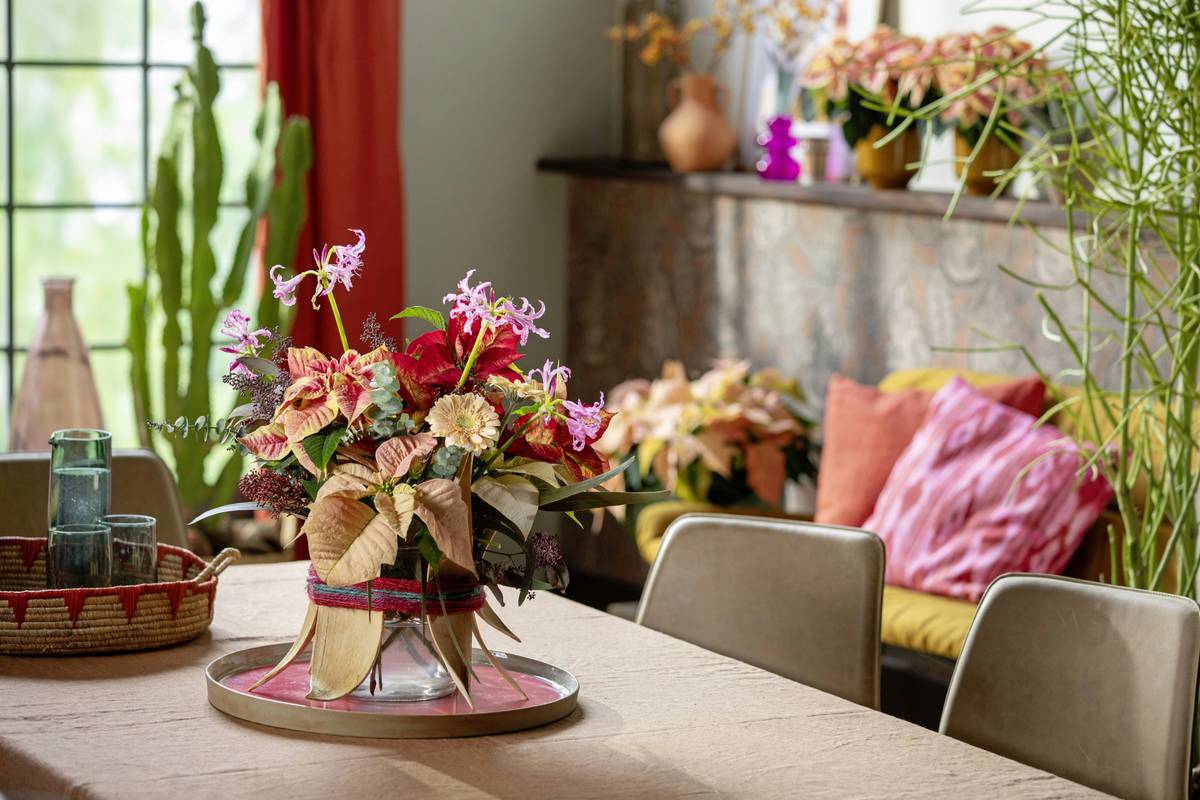
Start with foliage (eucalyptus, ferns) as your base. Add 3–5 focal flowers (roses, lilies), then filler blooms (baby’s breath, statice). Keep height under 12 inches for dining tables—HGTV recommends this rule to preserve sightlines.
Top Tips for Long-Lasting, Eye-Catching Displays
- Change water every 2 days—bacteria kills stems fast. Add a drop of bleach to extend life.
- Avoid overpowering scents. Lilies or hyacinths may overwhelm a small room; opt for subtle fragrances like freesia or lavender.
- Never use all one color. Even monochromatic schemes need texture variation—mix matte petals with glossy leaves.
- Rotate weekly. Fresh arrangements weekly beat one expensive monthly purchase. Budget $8–$15 per refresh.
- Terrible tip to avoid: Don’t crowd stems tightly—it looks chaotic, not lush. Give each bloom breathing room.
And please—stop using fake silk flowers that look like they survived a 1990s department store clearance. If you go artificial, invest in high-quality dried botanicals from reputable sources like our team at Colonial Carton, who prioritize authentic materials.
Real Home Examples That Nailed It
Last winter, a client transformed her entryway table with a winter-themed arrangement: pine branches, red hypericum berries, and three ivory ranunculus in a matte black tray. She spent under $20 and reported guests complimenting it for weeks. Another example: a coastal living room used bleached driftwood, white anemones, and sea glass in a shallow bowl—creating a calm, cohesive vibe that matched her wall art.
Data from Houzz’s 2025 Interior Trends Report confirms that 68% of homeowners now prioritize “small-scale, frequent updates” over large decor overhauls—making home floral centerpieces a smart, sustainable strategy. These aren’t just pretty; they’re practical psychology, signaling warmth and welcome without remodeling a single wall.
Frequently Asked Questions
How long do fresh home floral centerpieces last?
With proper care—clean water, stem trimming, cool location—they typically last 5–7 days. Hardy blooms like chrysanthemums or alstroemeria can stretch to 10 days.
What’s the best flower for a beginner’s centerpiece?
Carnations or daisies. They’re affordable, long-lasting, and forgiving if you forget daily maintenance.
Can I use home floral centerpieces outdoors?
Yes—but choose weather-resistant blooms like sunflowers or zinnias, and secure vases against wind. Avoid delicate petals that wilt in heat or humidity.
Are there eco-friendly options for home floral centerpieces?
Absolutely. Use locally grown, pesticide-free flowers and compostable vessels (like bamboo or ceramic). Skip floral foam—it’s non-biodegradable plastic. Learn more via the EPA’s sustainable practices guide.
Do centerpieces need to match my room’s color scheme exactly?
No. Complementary or analogous colors work better than exact matches. A soft blush rose in a navy-blue room adds contrast without clashing.
Where can I get help choosing the right centerpiece for my space?
We specialize in personalized home decor solutions—reach out to our team for tailored advice. And always review our privacy policy when sharing project details.
Conclusion
Great home floral centerpieces aren’t about perfection—they’re about presence. They say “this space is loved” without saying a word. Skip the tall, obstructive arrangements; embrace scale, seasonality, and simplicity. Whether you’re styling for two or twenty, these small touches build atmosphere that photos can’t capture but hearts remember. Ready to elevate your tablescape? Contact us at Colonial Carton—we’d love to help you bloom where you’re planted.
Petal by petal, you’ve got this.