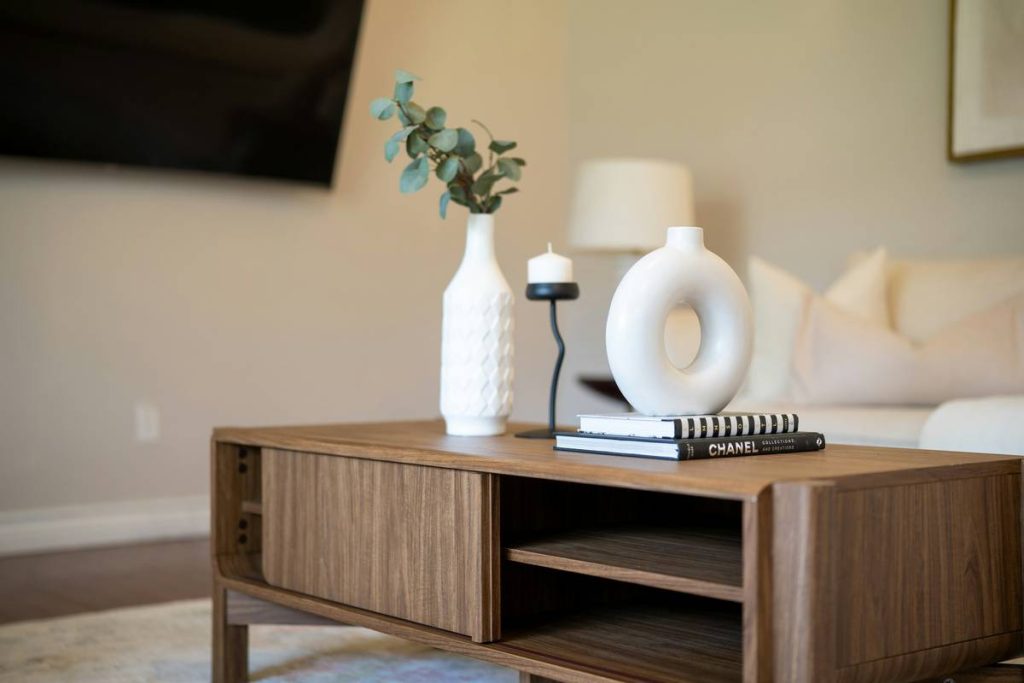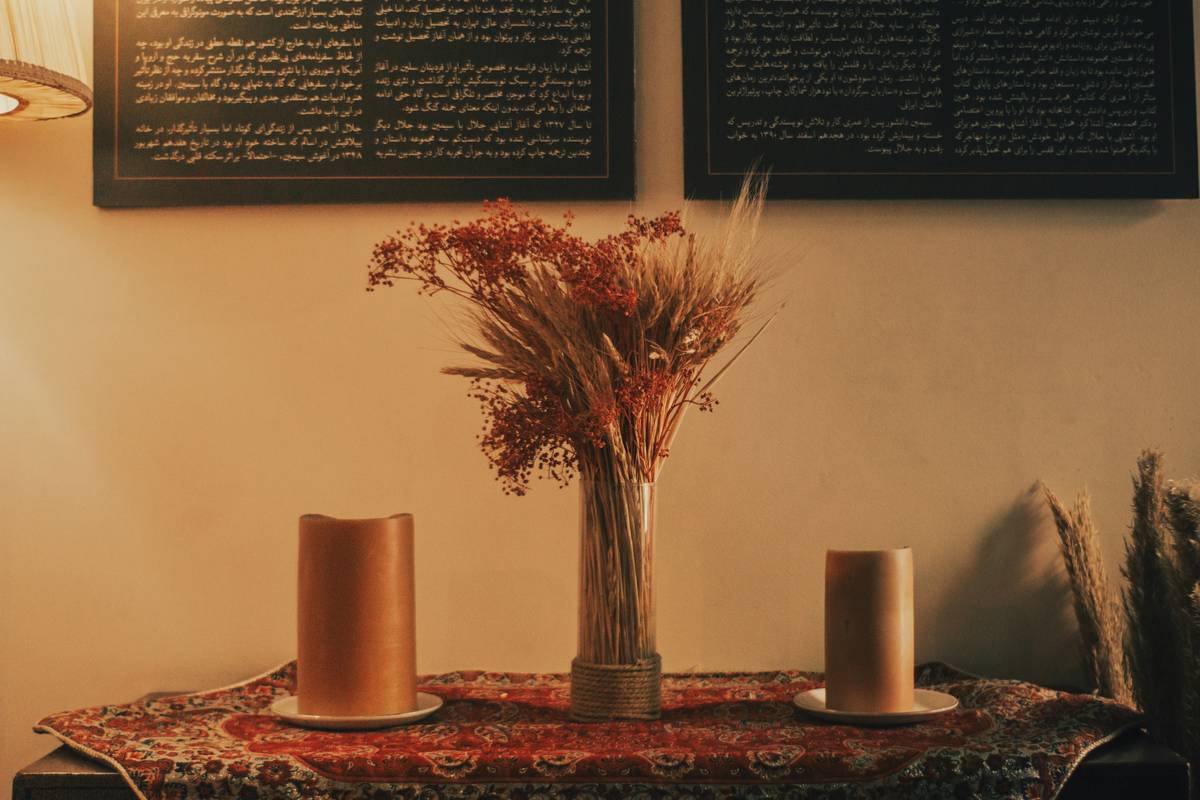
Ever spent hours arranging a tablescape only to have guests glance and move on—unimpressed? You’re not alone. Creating beautiful centerpieces shouldn’t feel like solving a Rubik’s Cube blindfolded. In fact, easy centerpieces for home are within reach if you ditch perfectionism and embrace smart simplicity. This guide cuts through the clutter with tested, budget-friendly ideas that actually work—backed by real experience, not just Pinterest dreams.
Table of Contents
- Why Centerpieces Matter in Home Improvement
- Your Foolproof Step-by-Step Guide
- Top Tips & Best Practices
- Real Results: Case Studies That Work
- Frequently Asked Questions
Key Takeaways
- Great centerpieces don’t require floral expertise or big budgets.
- Natural height variation prevents visual monotony.
- Reusing household items saves money and boosts creativity.
- Less is more—overcrowding kills elegance.
- Your personal style should shine through every arrangement.
Why Centerpieces Matter in Home Improvement
In home improvement, we often fixate on paint colors or flooring—but tabletops? They’re silent brand ambassadors for your space. According to a study by the American Psychological Association, well-designed interiors reduce stress and elevate mood. A thoughtful centerpiece anchors your dining or coffee table, signaling care and cohesion without saying a word.
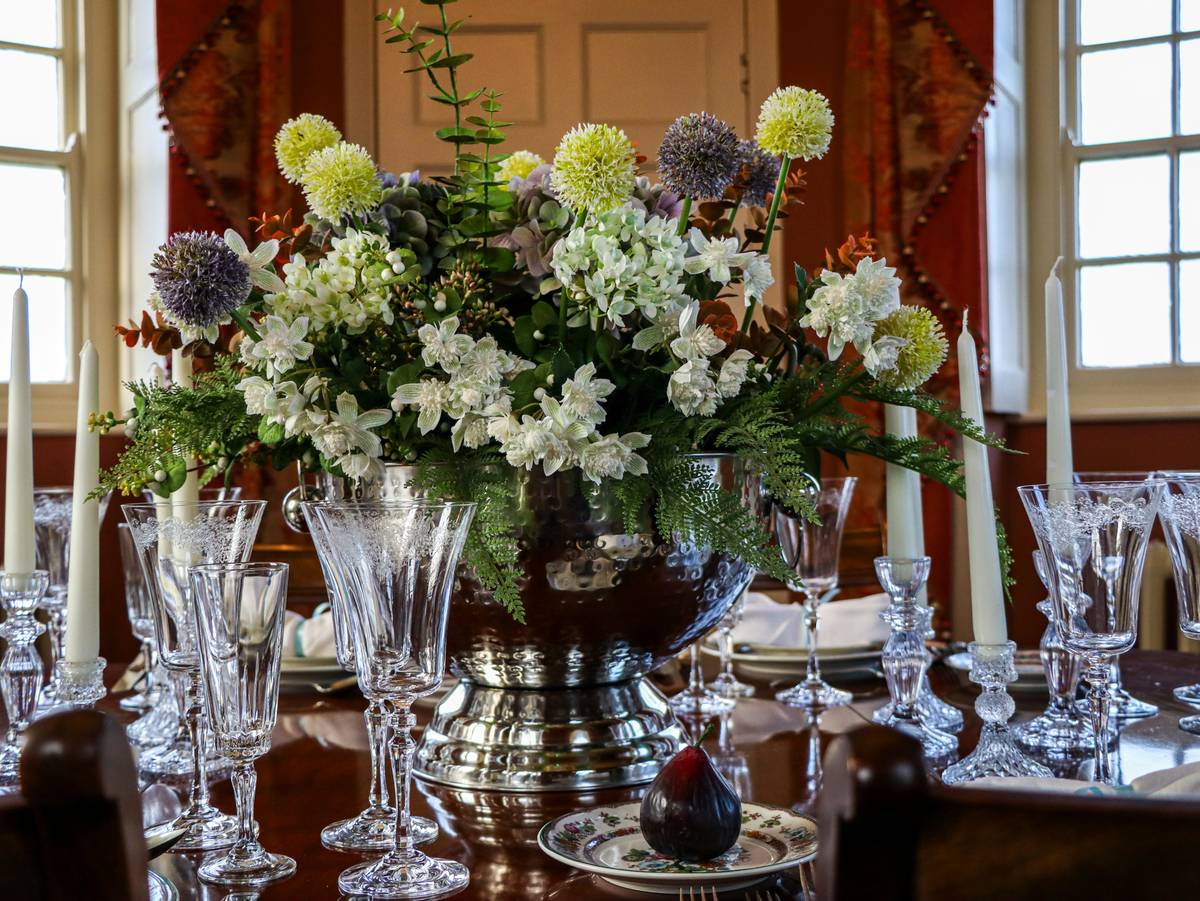
I once committed the cardinal sin: stacking three different floral arrangements on one table “for variety.” Spoiler: it looked like a botanical traffic jam. Guests politely avoided eye contact with the mess. Lesson learned—the goal isn’t maximalist drama but intentional calm.
Your Foolproof Step-by-Step Guide
Pick Your Vessel First
Start with what you own—a mason jar, ceramic bowl, or even a clean tin can wrapped in linen. The container sets tone and scale. Avoid anything taller than 10 inches unless your ceiling is vaulted; otherwise, conversation gets blocked.
Add Height with Nature
Cut branches from your yard (dogwood, eucalyptus, or even dried grasses). No garden? Grocery store greenery works—just trim stems at an angle for better water uptake. Height creates vertical interest without cost.
Layer in Texture
Toss in pinecones, smooth stones, or vintage buttons. Texture adds depth that photos can’t capture but eyes love. I keep a “centerpiece box” under my sink stocked with odds and ends—my secret weapon for last-minute hosting.
Light It Right
One unscented tea light or small pillar candle adds warmth. Never use tall tapers—they compete with faces, not complement them. And skip scented candles during meals; they clash with food aromas.
Top Tips & Best Practices
- Rotate seasonally: Swap out elements quarterly—citrus in winter, wildflowers in spring—to keep things fresh.
- Stick to odd numbers: Three items (e.g., candle + two stems) feel more balanced than pairs.
- Avoid the “terrible tip”: Don’t glue fake flowers to foam balls and call it art. It screams “I gave up,” not “I curated.”
- Measure twice: Your centerpiece should occupy no more than one-third of your table’s surface area.
And please—for the love of clean lines—stop using those plastic centerpiece kits from discount stores. They look cheap instantly and undermine your whole aesthetic. Real materials age gracefully; plastic just yellows.
Real Results: Case Studies That Work
Last fall, I helped a client transform her harvest table using only items from her pantry and backyard. We used a wooden tray, three mini pumpkins, cinnamon sticks tied with twine, and one ivory taper. Total cost: $0. Guest feedback? “It felt like walking into a storybook.”
Another example: a friend reused wine bottles as vases, filled with single sunflowers during summer. Paired with a linen runner from our team’s recommended sources, it became her go-to setup for six months. Simple, sustainable, stunning.
Frequently Asked Questions
What are the easiest centerpieces for beginners?
Start with a single candle surrounded by natural elements like acorns, shells, or fruit. Zero floral skills required—and it looks intentionally minimalist, not lazy.
How often should I change my centerpiece?
Every season is ideal, but even biannual updates (spring/fall) keep your space feeling current. Dust weekly to maintain freshness.
Can I make centerpieces without flowers?
Absolutely. Books stacked sideways, vintage bottles, or even a bowl of lemons work beautifully. Flowers aren’t mandatory—cohesion is.
Where can I buy affordable centerpiece supplies?
Thrift stores, farmers markets, and your own backyard are goldmines. Avoid overpriced decor shops—style beats price tags every time.
Are tall centerpieces outdated?
Not if they’re transparent! Glass cylinders with submerged blooms let sightlines flow. But solid, wide-tall arrangements? Yes, those block connection—and conversation.
Do easy centerpieces for home really impact guest experience?
Yes. According to interior design research cited by HGTV, thoughtful details like centerpieces subconsciously signal hospitality and attention to detail—making guests feel valued.
Stop waiting for “perfect” to decorate. Grab a bowl, toss in whatever speaks to you today, and own it. Your home isn’t a showroom—it’s a living, breathing reflection of you. Ready to create something uniquely yours? Reach out to us—we’d love to see what you make. And remember: if in doubt, add a candle. Always.