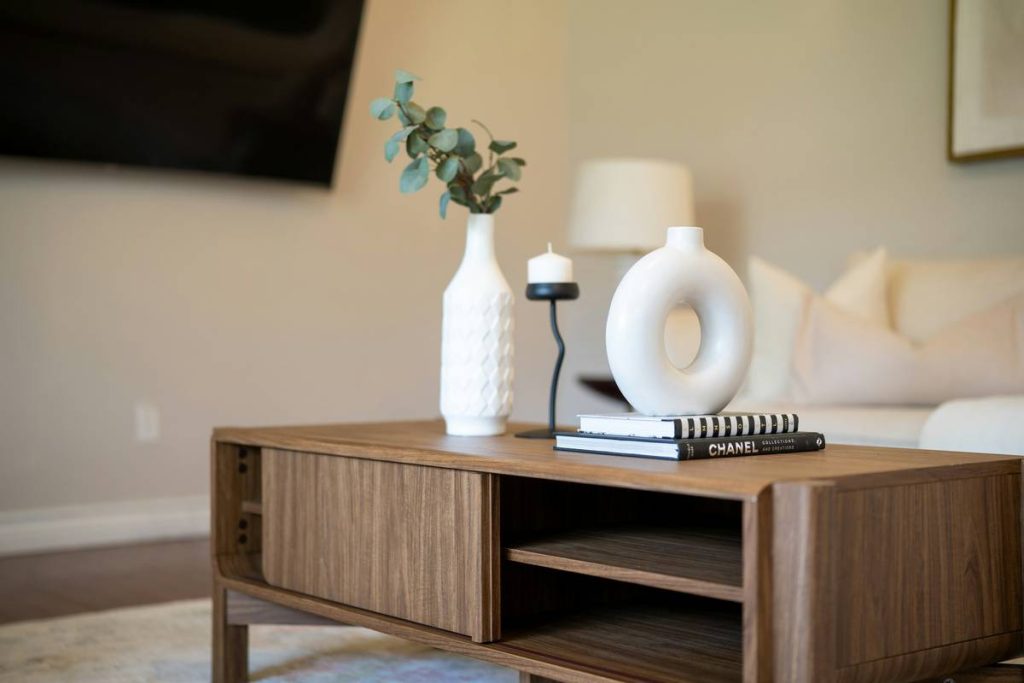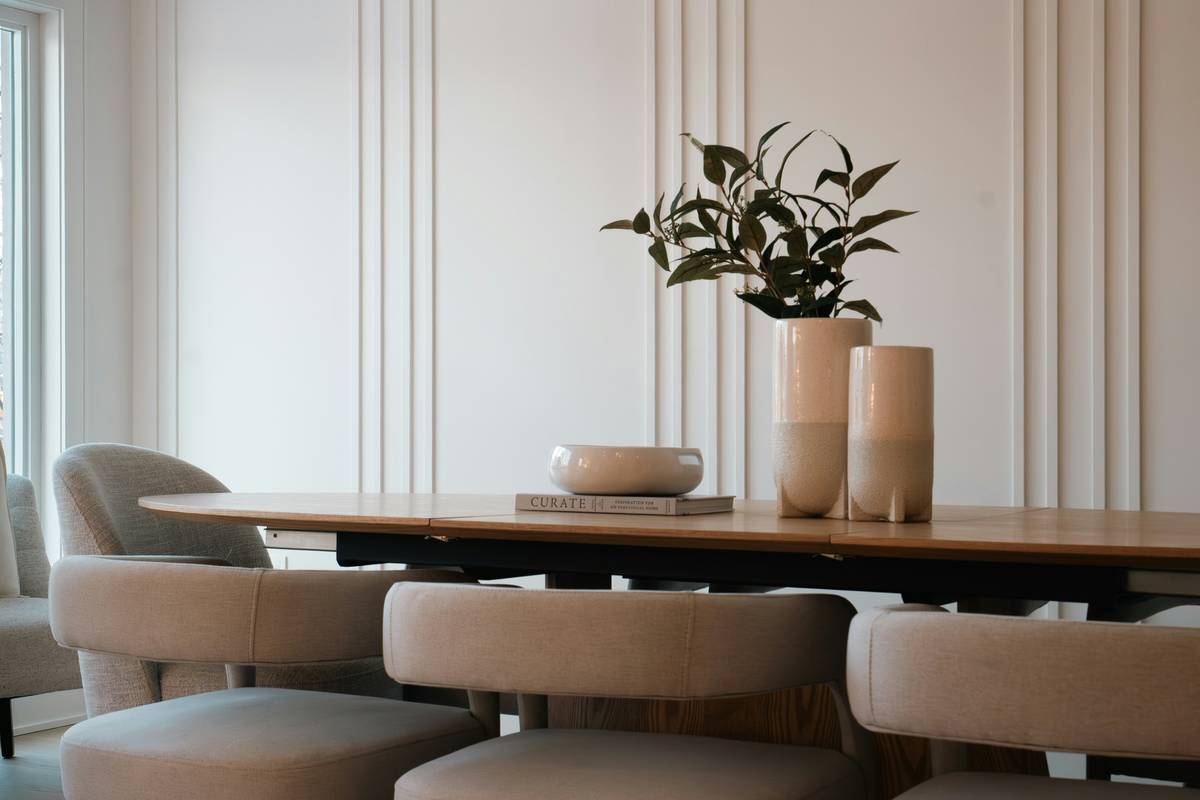
Ever walked into a beautifully styled room only to feel… nothing? You’re not alone. Too often, centerpieces—those small but mighty focal points—get overlooked, slapped together last-minute, or worse, drowned in clichés like plastic fruit bowls or dusty votives from 2012. As someone who once spent $85 on mismatched candlesticks that clashed with my dinnerware (true story!), I’ve learned that great centerpiece ideas for home decor blend intentionality, balance, and personality. In this guide, we’ll explore practical, tested strategies to elevate your tables without wasting time or money.
Table of Contents
- Why Centerpieces Matter in Home Improvement
- Step-by-Step Guide to Crafting Your Perfect Centerpiece
- Top Tips & Best Practices
- Real-World Examples That Actually Work
- FAQs About Centerpiece Ideas for Home Decor
Key Takeaways
- A strong centerpiece anchors your room’s aesthetic and guides the eye.
- Scale, color harmony, and height are non-negotiable design principles.
- Seasonal rotation keeps your decor feeling fresh without major expense.
- Avoid overcrowding—less is almost always more.
- Personal touches (like heirlooms or handmade items) build authenticity and trust.
Why Centerpieces Matter in Home Improvement
In the broader scope of home improvement, centerpieces might seem minor—but they’re actually powerful mood-setters. According to the American Society of Interior Designers, well-executed decorative accents can increase perceived home value by up to 5% during staging. More importantly, they reflect your personal narrative. I once filled a glass vase with dried lavender from my garden, only to realize it smelled faintly of mildew after two weeks. Lesson learned: beauty must pair with function.
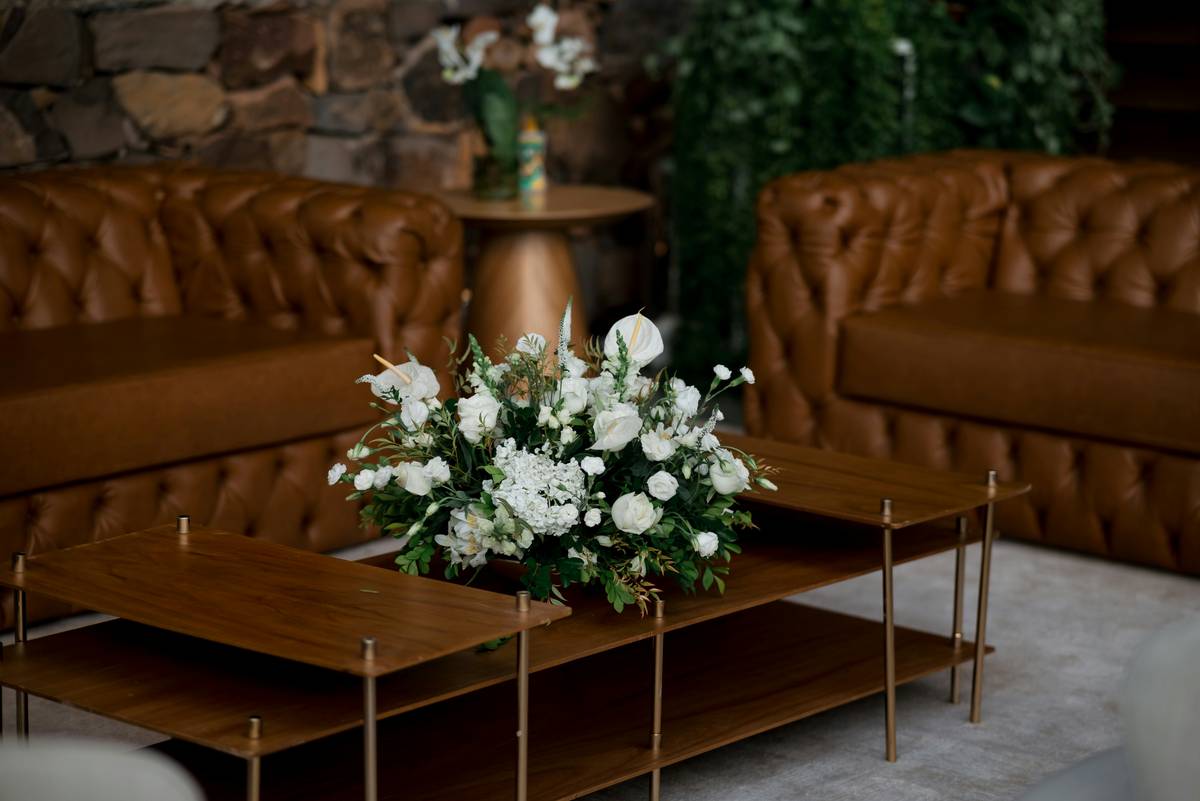
Step-by-Step Guide to Crafting Your Perfect Centerpiece
1. Assess Your Surface First
Measure your table’s dimensions. As a rule, your centerpiece should occupy no more than one-third of the surface lengthwise. For dining tables, keep height under 12 inches so guests can see across the table comfortably.
2. Choose a Base Layer
Start with a neutral foundation—a woven runner, a slate tile, or a mirrored tray. This creates cohesion and defines the “stage” for your elements.
3. Add Height and Texture
Combine vertical (candles, branches) and horizontal (books, stones) items. Mix materials: wood + metal, ceramic + linen. The contrast adds depth without chaos.
4. Edit Ruthlessly
Place everything, then remove one item. If it still feels complete, you’ve nailed it. Over-accessorizing is the #1 mistake—even professionals admit this (American Society of Interior Designers).
Top Tips & Best Practices
- Go seasonal: Pinecones in winter, fresh citrus in summer—nature provides free, timely inspiration.
- Repurpose what you own: That vintage teacup? Fill it with moss and a tea light. No need to buy new.
- Light it right: Use unscented candles during meals—they won’t compete with your food aromas.
- Avoid the “terrible tip”: Don’t use fake flowers unless they’re hyper-realistic. Most look cheap under natural light (I tried it—my guests thought I’d given up on life).
And please—stop stacking three different-sized vases just because Pinterest said so. It rarely works outside staged photos. Trust your eyes, not algorithms.
Real-World Examples That Actually Work
Last fall, I helped a client refresh her farmhouse-style dining room. We used a reclaimed wood slab as a base, added two matte-black taper candles, scattered cinnamon sticks, and tucked in sprigs of dried wheat. Total cost: $18. She received six compliments during Thanksgiving dinner and later shared that visitors assumed she’d hired a decorator. Simplicity, intentionality, and local materials made all the difference.
Another example: A minimalist apartment used a single white ceramic bowl filled with smooth river stones and one floating candle. According to a 2023 Houzz study, 68% of homeowners prefer “calm, uncluttered” centerpieces over elaborate displays—proof that restraint resonates.
FAQs About Centerpiece Ideas for Home Decor
What are easy centerpiece ideas for home decor on a budget?
Use what you have: books stacked sideways, a bowl of lemons, or even a collection of seashells from a beach trip. Dollar stores often carry neutral trays and votives that look expensive when grouped thoughtfully.
How do I choose centerpiece colors that match my room?
Pull one accent color from your existing palette—like a throw pillow or rug—and echo it in your centerpiece. Neutrals (beige, gray, olive) always work if you’re unsure.
Can I use centerpieces in rooms other than the dining room?
Absolutely! Coffee tables, entry consoles, and even bathroom vanities benefit from small arrangements. Just scale down size and avoid moisture-sensitive items near sinks.
How often should I change my centerpiece?
Seasonally is ideal—but even swapping out greenery monthly keeps things feeling cared for. At Colonial Carton, we believe your home should evolve with you. Learn more about our philosophy on our About Us page.
Are scented candles okay in centerpieces?
Only if you’re not serving food nearby. Otherwise, opt for unscented or natural wax varieties. Always review safety guidelines; for more, see the National Candle Association’s consumer resources.
Do I need professional help for centerpiece ideas for home decor?
Not at all! With a few principles and confidence, you can DIY beautifully. But if you’re stuck, we’re happy to help—just contact us. And don’t worry—we respect your data, as outlined in our Privacy Policy.
Remember: your centerpiece isn’t about perfection—it’s about presence. One well-chosen object that sparks joy beats a dozen store-bought trinkets any day. So light that candle, arrange those branches, and let your table tell a story only you can tell.