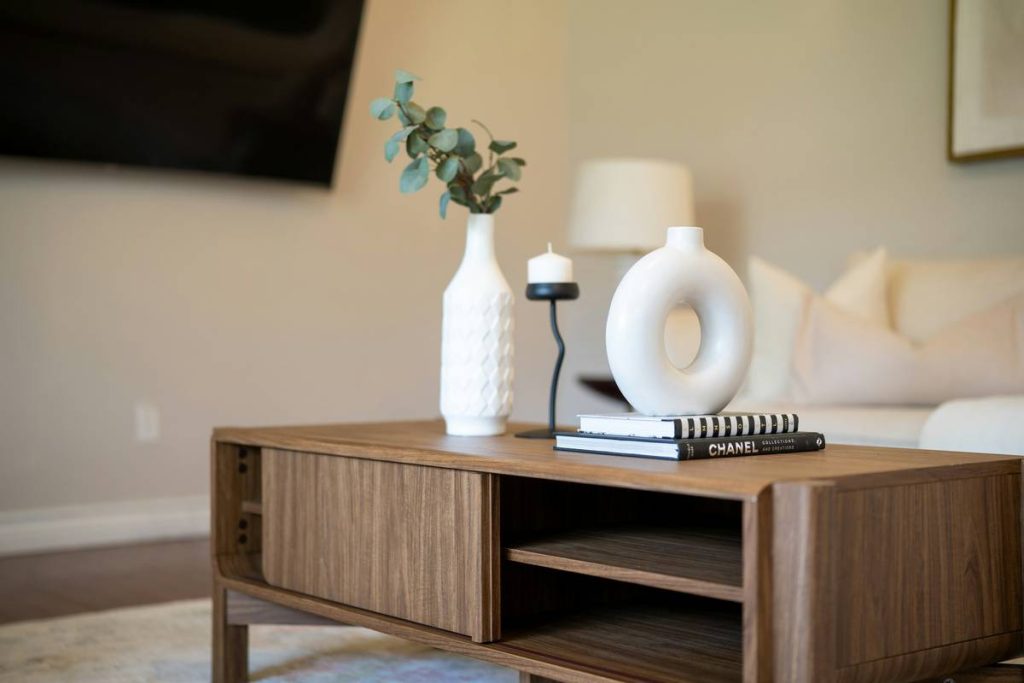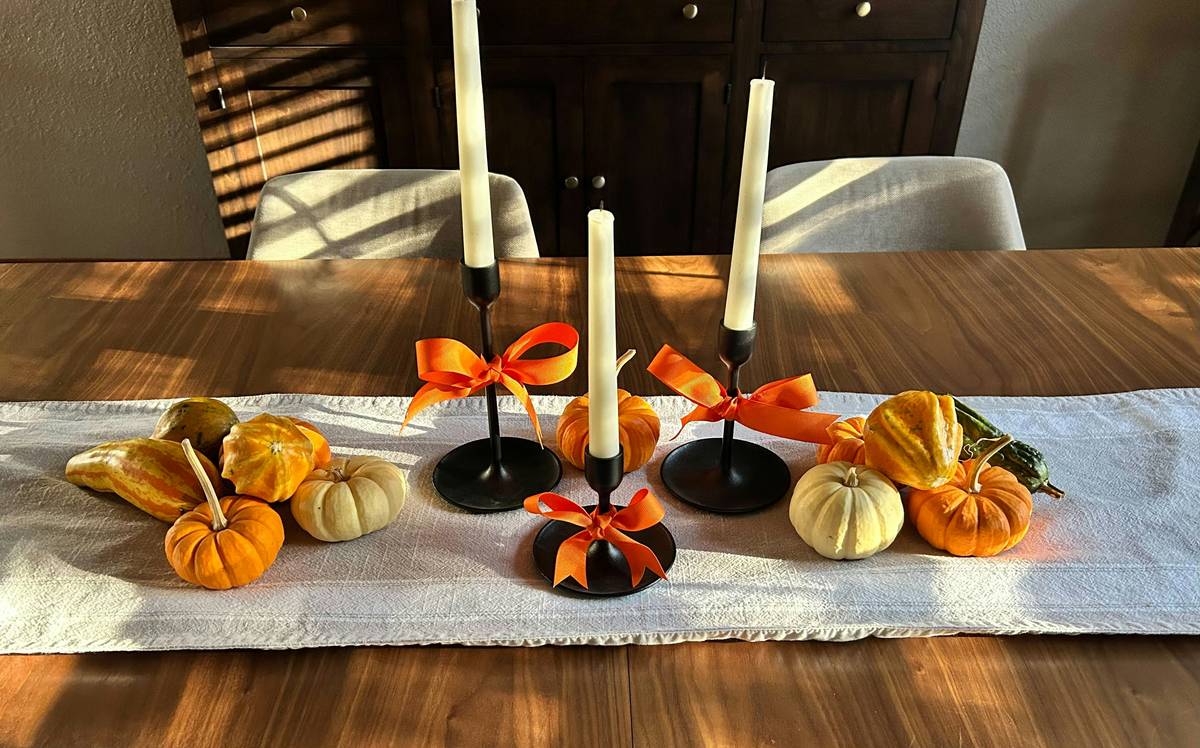
Ever walked into a beautifully styled room only to feel… nothing? You’re not alone. The culprit is often the centerpiece—or rather, the lack of one with personality. In home decor, that central focal point on your dining table, coffee table, or entry console can silently elevate or sink your entire aesthetic. Today, we’re diving into unique centerpieces for home decor that actually reflect your taste—not just Pinterest trends. You’ll get actionable steps, real-life examples, and even a story about my disastrous attempt at an “elegant” seashell arrangement (spoiler: it looked like a craft store exploded). Let’s fix bland once and for all.
Table of Contents
- Why Centerpieces Matter in Home Improvement
- Step-by-Step Guide to Crafting Your Own Unique Centerpiece
- Best Practices for Long-Lasting, Eye-Catching Displays
- Real-World Examples That Actually Worked
- Frequently Asked Questions
Key Takeaways
- A unique centerpiece anchors your room’s design while expressing individuality.
- Scale, height, and color harmony matter more than expensive materials.
- DIY centerpieces often outperform store-bought ones in authenticity and charm.
- Avoid overcrowding—negative space is part of the design.
- Rotate seasonal elements to keep your display fresh without constant spending.
Why Centerpieces Matter in Home Improvement
In the world of home improvement, small details drive big impressions. According to a 2023 National Association of Realtors report, staged homes with thoughtfully curated accessories—including centerpieces—sold 8% faster than unstaged ones. Yet most homeowners treat centerpieces as afterthoughts: a candle plunked on a tray, or worse, an empty vase gathering dust.
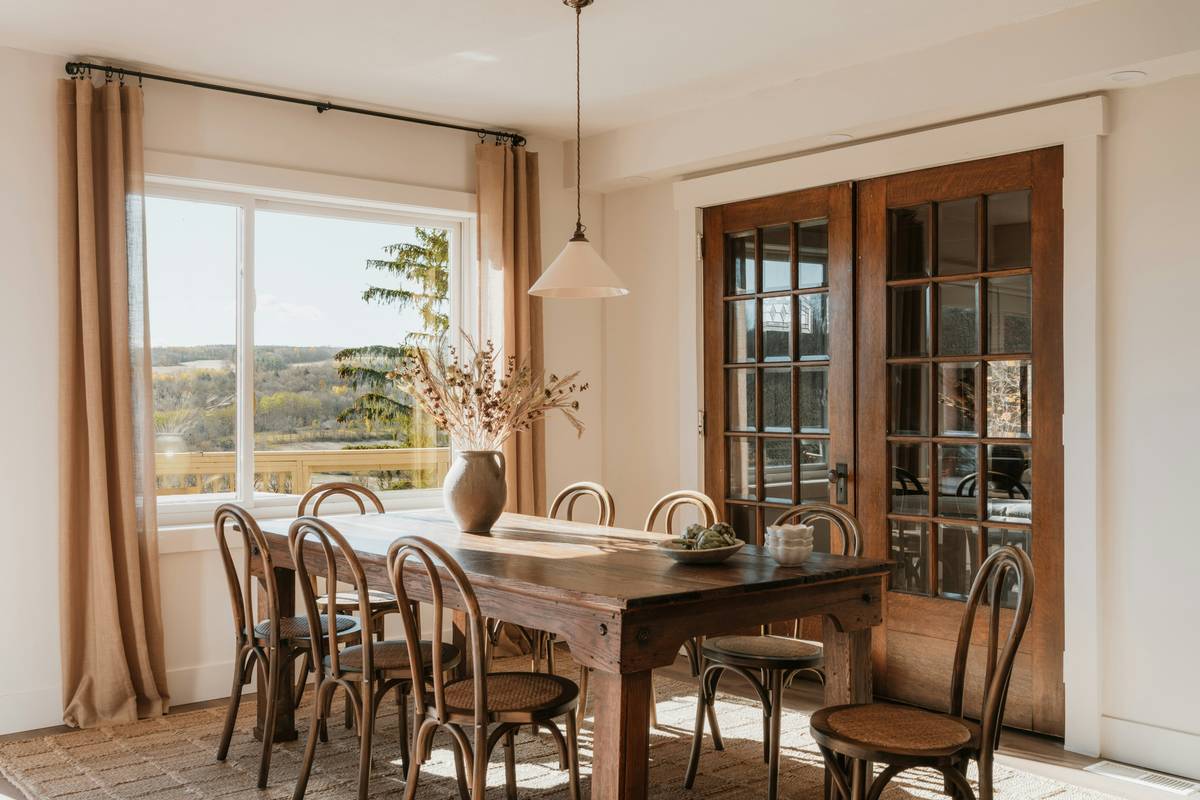
I learned this the hard way during a holiday dinner I hosted. Confident in my “minimalist chic” approach, I placed three plain white tapers in clear glass holders. My aunt leaned over and whispered, “Is this a memorial?” Ouch. That moment taught me: minimalism needs intention, not emptiness.
Step-by-Step Guide to Crafting Your Own Unique Centerpiece
1. Define Your Room’s Personality
Is your living room cozy farmhouse or sleek modern? Match your centerpiece to the dominant vibe. A brass geometric sculpture suits contemporary spaces; a woven basket with pampas grass leans rustic.
2. Choose a Base Layer
Start with a tray, wood slice, or ceramic plate. This contains the composition and adds cohesion. I use vintage serving trays from our About Us collection—they’ve got character without screaming “decorator did this.”
3. Add Height and Texture
Combine tall (branches, taper candles), medium (bottles, books), and low elements (stones, moss). Vary textures—smooth glass next to rough linen creates visual interest.
4. Incorporate Personal Touches
Travel souvenirs, heirloom trinkets, or even kids’ clay creations add soul. Authenticity beats perfection every time.
Best Practices for Long-Lasting, Eye-Catching Displays
- Vary heights strategically: Keep the tallest element no more than 1.5x the width of your surface.
- Use odd numbers: Groups of 3 or 5 create natural balance (a principle backed by design theory from institutions like University of Illinois School of Art).
- Rotate seasonally: Swap dried eucalyptus for pinecones in winter; citrus slices in summer.
- Avoid the “terrible tip”: Don’t pile on everything you own. Clutter isn’t eclectic—it’s confusing. Edit ruthlessly.
And please—stop using fake flowers that look like they survived a nuclear winter. If you wouldn’t wear plastic fruit as jewelry, don’t display it as decor.
Real-World Examples That Actually Worked
Last spring, I helped a client refresh her sunroom using unique centerpieces for home decor on a $30 budget. We filled a thrifted ceramic bowl with smooth river rocks, added three short succulents in mismatched teacups, and tucked in a few sprigs of lavender. Six months later? She texts me photos every season showing how she’s evolved it—adding seashells after beach trips, tiny pumpkins in fall. It’s lived-in, personal, and never static.
Compare that to mass-produced decor from big-box stores, which often lacks depth. As the Wikipedia entry on interior design notes, “Personalization significantly increases user satisfaction and emotional connection to space.” Translation: your weird seashell collection? That’s gold.
Frequently Asked Questions
What makes a centerpiece “unique” versus generic?
Uniqueness comes from personal meaning, unexpected material combinations, or handcrafted elements—not just buying something labeled “artisan.”
How do I choose the right size centerpiece for my table?
For dining tables, leave 12–18 inches of clearance on all sides so guests can see each other. Coffee tables can handle larger pieces since they’re viewed from above.
Can I use non-traditional items as centerpieces?
Absolutely. Stacked vintage books, a sculptural branch in a bucket, or even a well-arranged fruit bowl can serve as stunning unique centerpieces for home decor.
How often should I change my centerpiece?
Seasonally is ideal, but even quarterly updates prevent visual fatigue. Small tweaks—like swapping candles or adding a ribbon—count.
Are DIY centerpieces cheaper than buying them?
Usually, yes. Most elements can be sourced from nature, thrift stores, or repurposed household items. Plus, you avoid markup from trendy retailers.
Where can I get inspiration without copying others?
Observe nature, architecture, or even fashion color palettes. Then reinterpret through your lens—don’t screenshot and replicate.
At the end of the day, your home shouldn’t whisper “catalog.” It should shout “this is me”—even if “me” includes slightly crooked candle arrangements and a seashell that smells faintly of low tide. Ready to craft something truly yours? We’d love to hear your ideas or help troubleshoot—just contact us. And remember: great decor starts with courage, not coherence. By the way, our Privacy Policy ensures your project photos stay yours alone.