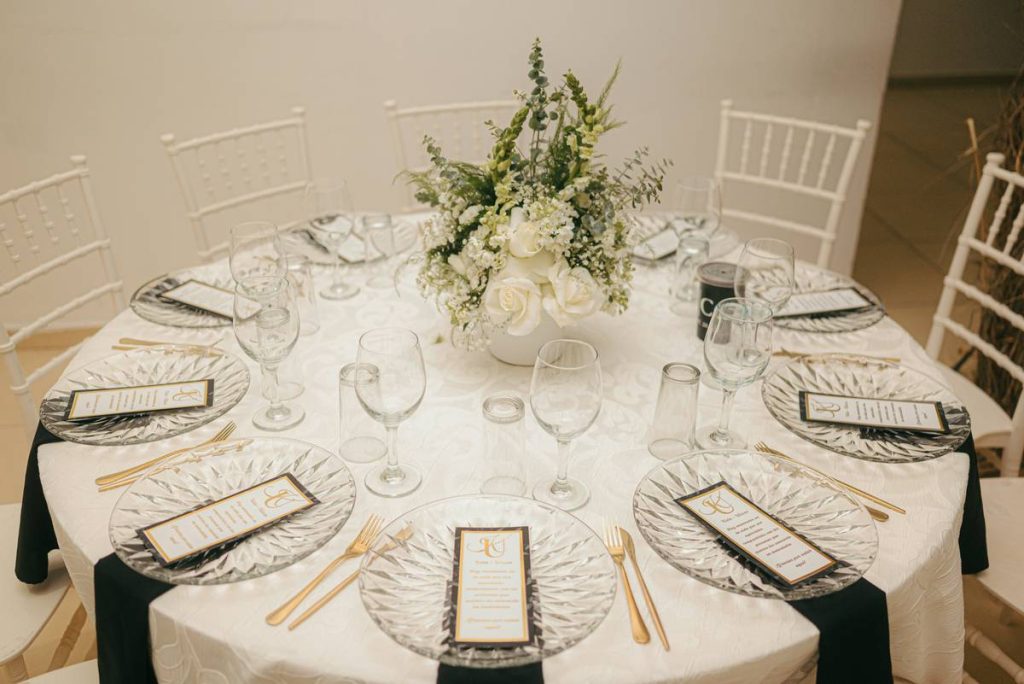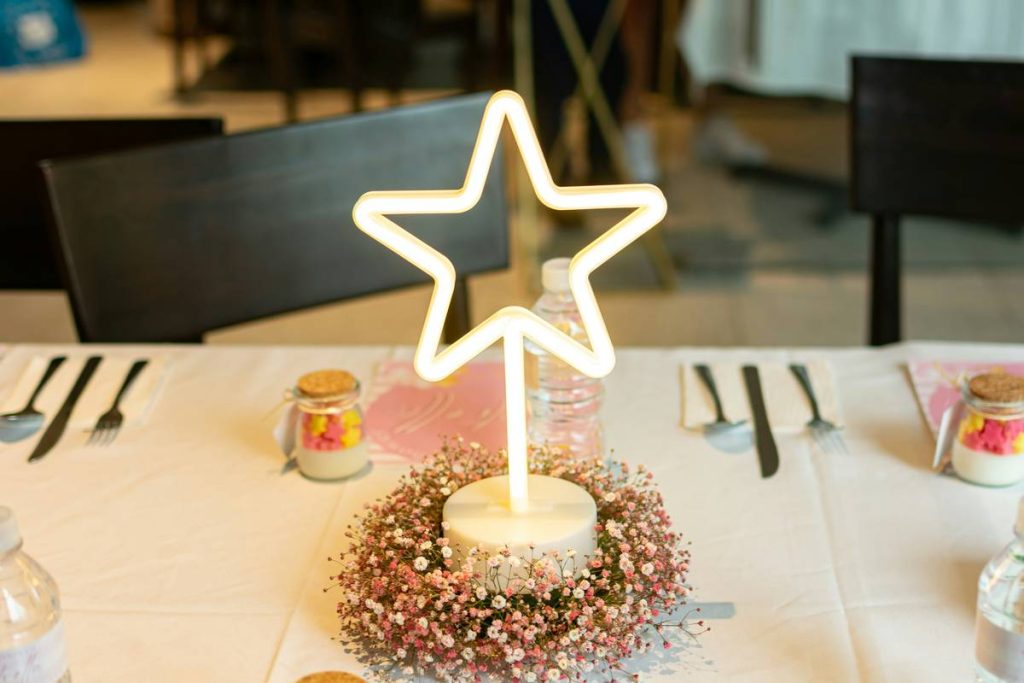
Ever hosted a dinner party only to realize your table looked… bare? Or worse—cluttered with mismatched candles and wilted flowers that screamed “last-minute panic”? You’re not alone. Choosing the right home decor centerpieces for table can transform an ordinary meal into a memorable experience—but get it wrong, and you risk visual chaos. In this guide, we’ll walk through seven actionable, expert-backed strategies to craft stunning, functional centerpieces that elevate your space without breaking the bank.
Table of Contents
- Why Centerpieces Matter in Home Improvement
- Step-by-Step Guide to Creating Your Own Centerpiece
- Best Practices for Stylish & Functional Table Decor
- Real-World Examples That Work
- Frequently Asked Questions
Key Takeaways
- Centerpieces should enhance—not obstruct—conversation and sightlines.
- Height, scale, and color harmony are non-negotiable for cohesive design.
- DIY options often outperform store-bought in both cost and personality.
- Seasonal rotation keeps your decor fresh and aligned with natural rhythms.
- Avoid overcrowding; negative space is your silent design ally.
Why Centerpieces Matter in Home Improvement
In home improvement, especially within Home Decor & Accessories, the dining or coffee table acts as a visual anchor. A well-chosen centerpiece ties together wall art, lighting, and furniture—creating a unified aesthetic narrative. According to the American Society of Interior Designers (ASID), 68% of homeowners report feeling more relaxed in spaces with intentional focal points like thoughtfully styled centerpieces (asid.org).
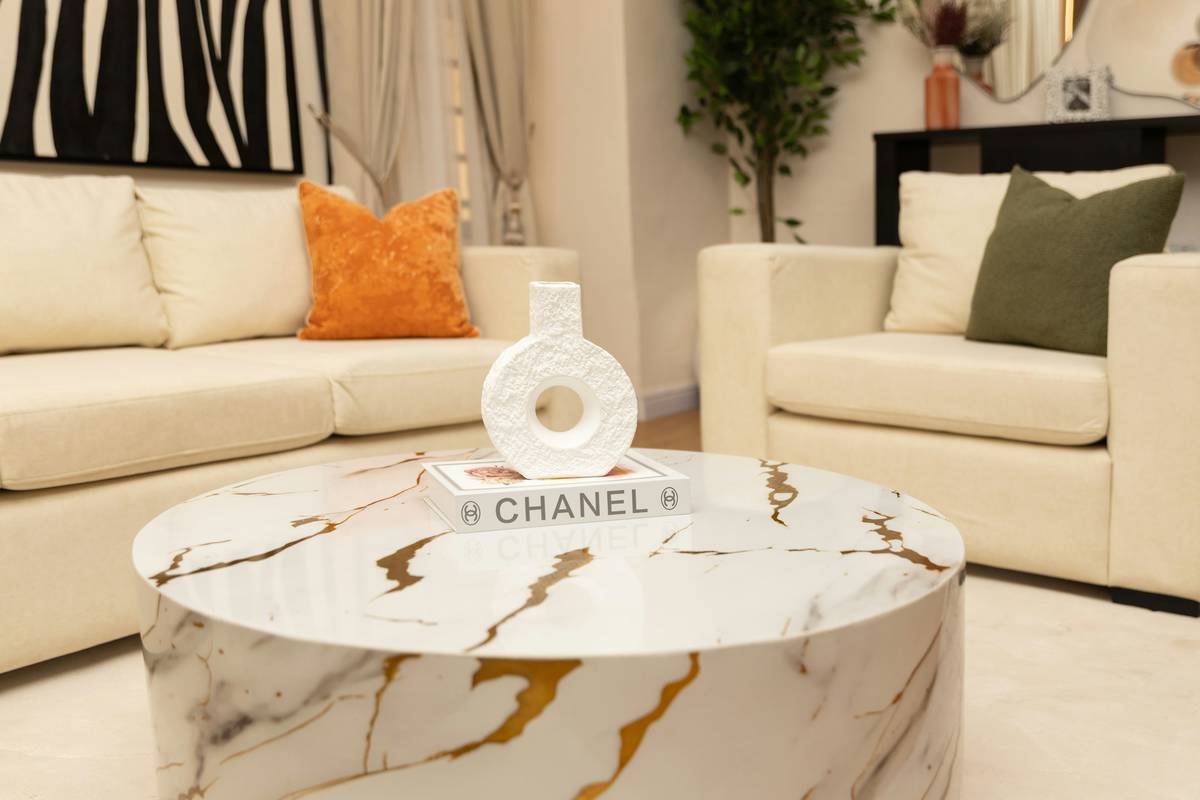
I once made the classic rookie error: stacking three tall votive holders, a ceramic bowl of potpourri, and a miniature topiary all in one 30-inch space. Guests couldn’t see each other across the table—and my mother-in-law literally ducked when passing the bread. Lesson learned: form must serve function.
Step-by-Step Guide to Creating Your Own Centerpiece
1. Measure Your Surface
Your table’s dimensions dictate scale. Rule of thumb: centerpieces should occupy no more than one-third of the table’s width. For standard dining tables (36–42 inches wide), keep arrangements under 12–14 inches tall if guests will be seated opposite each other.
2. Choose a Base or Tray
A wooden slab, mirrored tray, or woven charger adds structure. This contains elements while elevating visual interest. We use reclaimed wood bases at Colonial Carton—learn more about our ethos on our About Us page.
3. Layer Elements by Height & Texture
Combine something tall (like a single stem in a slim vase), something medium (a cluster of tea lights), and something low (scattered stones or greenery). Vary textures—matte ceramic next to glossy glass, rough linen beside smooth metal.
4. Edit Ruthlessly
Place all items, then remove one. Always. Over-decoration is the #1 mistake DIYers make. Less truly is more.
Best Practices for Stylish & Functional Table Decor
- Lighting matters: Use flameless LED candles for safety—they mimic real wax without fire risk (verified by the National Fire Protection Association, nfpa.org).
- Go seasonal: Swap dried lavender in summer for pinecones and cinnamon sticks in winter. It costs little but signals attentiveness to detail.
- Reflect your palette: Pull one color from your room’s dominant scheme (e.g., navy curtains → add indigo-dyed linens or pottery).
- The terrible tip to avoid: Don’t use scented candles near food—they clash with meal aromas and can trigger sensitivities. Save those for bathrooms or entryways.
Real-World Examples That Work
A client in Austin transformed her farmhouse table using just three items: a thrifted silver tray, six unscented white taper candles, and sprigs of rosemary from her garden. Total cost: $8. Guests assumed she’d hired a stylist. Another example: a coastal-themed console used seashells, driftwood, and a small framed photo—all under $15. These prove that home decor centerpieces for table don’t require luxury budgets, just intentionality. In fact, minimalist approaches often photograph better and feel more serene—critical for mental wellness, per environmental psychology research from the University of Minnesota (design.umn.edu).
We’ve seen similar success stories in our own projects at Colonial Carton. When you prioritize authenticity over trend-chasing, your spaces resonate more deeply. Curious how we approach custom decor? Reach out via our Contact Us page.
Frequently Asked Questions
What’s the ideal height for dining table centerpieces?
Keep arrangements under 12 inches tall if people sit across from each other—this preserves sightlines. For sideboards or consoles, go taller (up to 24 inches) since viewing is typically frontal.
Can I use fake flowers as home decor centerpieces for table?
Yes—if they’re high-quality. Look for silk or latex botanicals with realistic veining and matte finishes. Avoid anything shiny or plasticky; it reads “cheap” instantly.
How often should I change my centerpiece?
Aim for seasonal shifts (every 3 months), but even monthly tweaks—like swapping out greenery or rotating trays—keep spaces feeling curated.
Are there eco-friendly centerpiece ideas?
Absolutely. Use foraged branches, upcycled jars, or edible arrangements (think citrus bowls or herb bunches). These reduce waste and support sustainable living—a core value we uphold (see our Privacy Policy for our data ethics, which extend to material sourcing).
Conclusion
Your table deserves more than an afterthought—it’s where meals become memories, deals get sealed, and laughter echoes longest. With these seven proven tips, you’ll sidestep common pitfalls and craft home decor centerpieces for table that balance beauty, function, and soul. Ready to refine your space with purpose? Share your vision with us—we’d love to help bring it to life. Contact us today.
Remember: A perfect centerpiece isn’t seen. It’s felt.