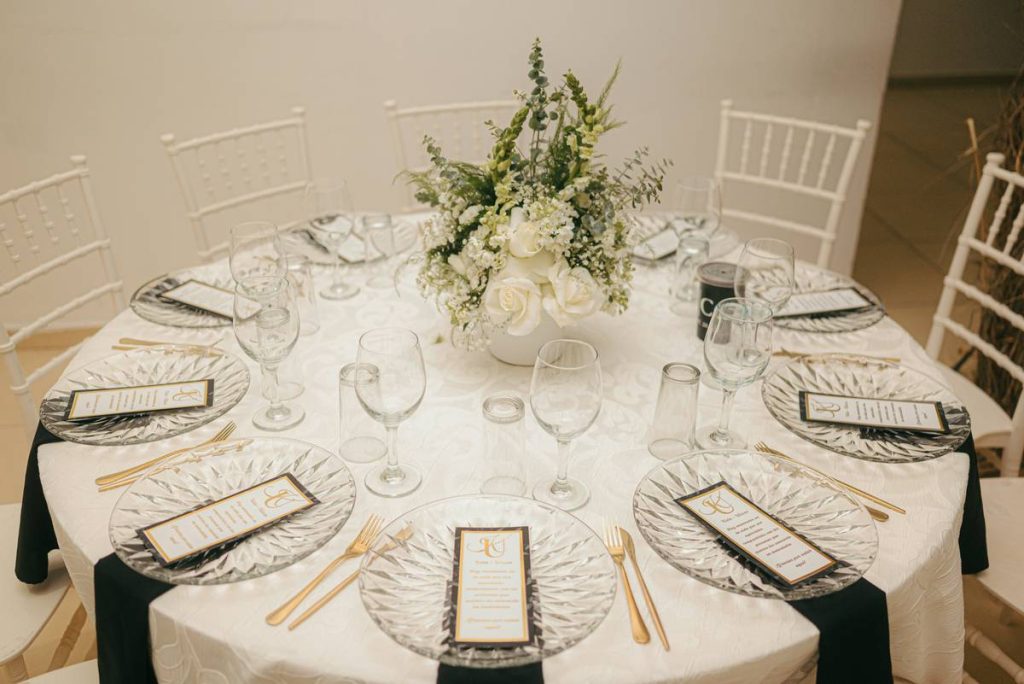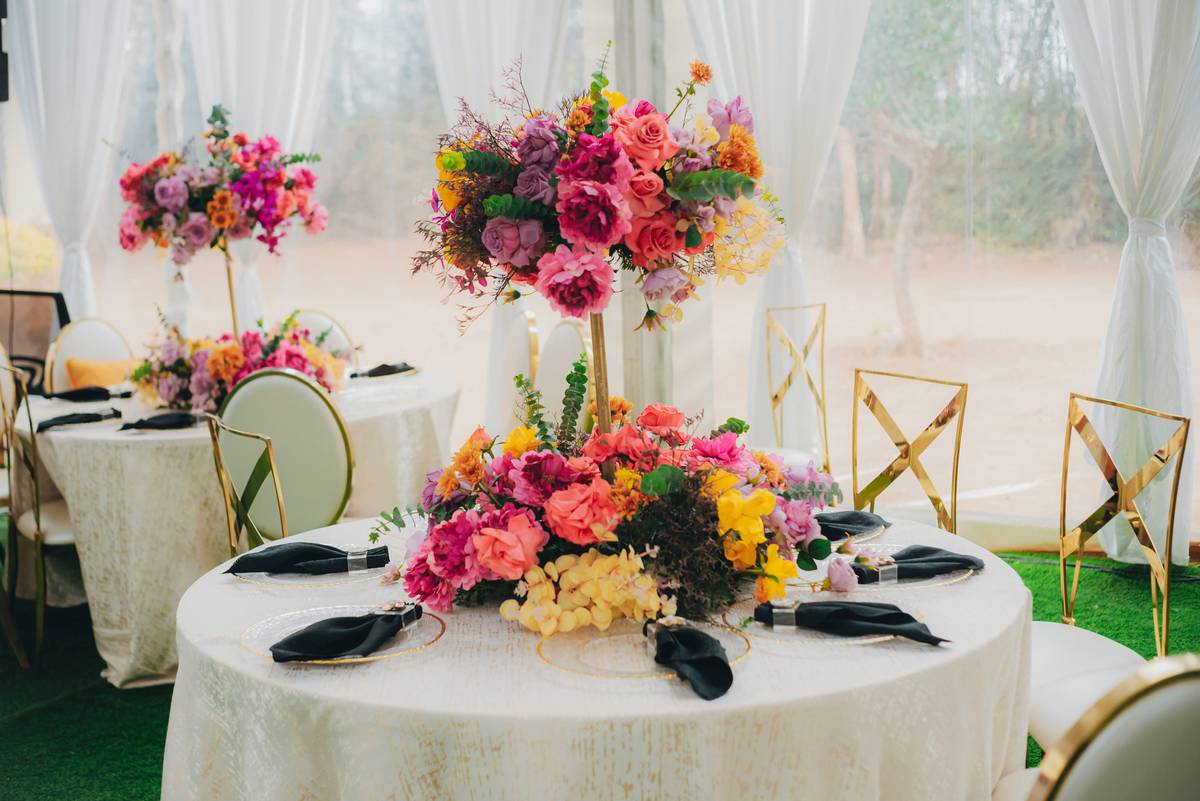
If you’ve ever stared blankly at an empty dining table before guests arrive, wondering why your space feels cold or unfinished, you’re not alone. The secret weapon of polished home decor isn’t expensive china—it’s the humble centerpiece. Understanding what is centerpiece in table design unlocks instant warmth, cohesion, and personality in your home. In this guide, we’ll cut through the fluff and deliver actionable, human-tested strategies to choose, style, and avoid common pitfalls with centerpieces—so your table always looks intentional, never awkward.
Table of Contents
- Why Knowing What Is Centerpiece in Table Matters
- How to Choose the Perfect Centerpiece: A Step-by-Step Guide
- 5 Best Practices for Flawless Table Styling
- Real-Life Examples That Actually Work
- FAQs About Centerpieces
Key Takeaways
- A centerpiece anchors your table visually and sets the tone for gatherings.
- Height, scale, and seasonality matter more than price tags.
- Overcrowding is the #1 mistake—even experienced decorators fall for it.
- Natural elements (like greenery or candles) consistently outperform generic store-bought arrangements.
- Your centerpiece should complement—not compete with—conversation.
Why Knowing What Is Centerpiece in Table Matters
In home improvement, especially within Home Decor & Accessories, the tabletop is prime real estate. It’s where memories are made over meals, holiday traditions unfold, and everyday moments gain charm. But without a thoughtful focal point, even the most beautifully set table can feel disjointed.
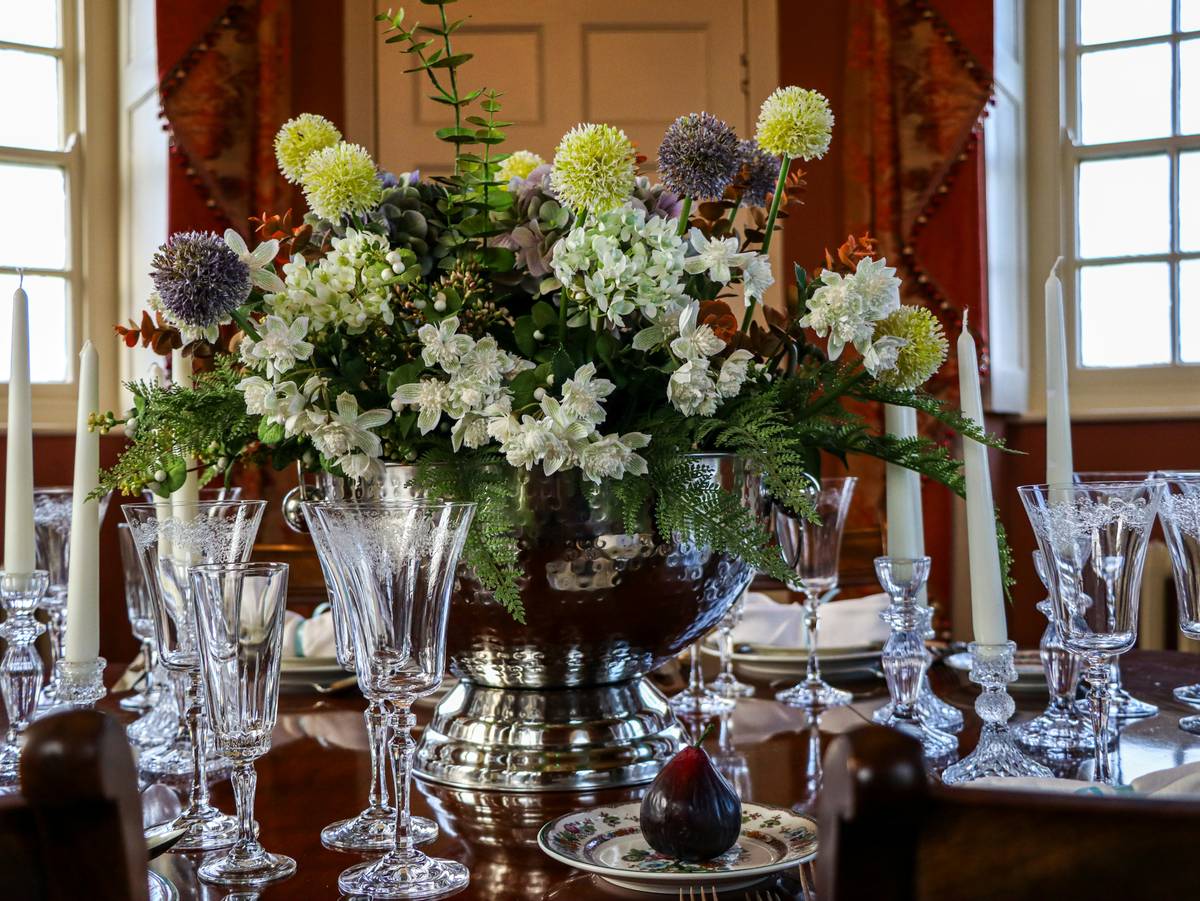
I learned this the hard way during a Thanksgiving dinner I hosted years ago. Eager to impress, I piled tall red roses, glittery ornaments, and three different candle holders into one towering arrangement. The result? Guests couldn’t see each other across the table, conversation stalled, and someone nearly knocked it over reaching for the salt. That night taught me: a centerpiece should enhance experience, not obstruct it.
According to the Interior Design Society, 68% of homeowners say table decor significantly impacts how “put-together” their home feels to visitors. Yet many still treat centerpieces as an afterthought—buying whatever’s on sale at the grocery store checkout line. Don’t be that person.
How to Choose the Perfect Centerpiece: A Step-by-Step Guide
Determine Your Table’s Purpose
Is it for daily family dinners, formal entertaining, or casual brunches? Daily use calls for low-profile, durable pieces (think woven trays with fruit). Formal settings allow for height—but keep it under 12 inches so sightlines remain open.
Measure Your Space
Leave at least 10–12 inches of clearance on all sides. A good rule: your centerpiece shouldn’t occupy more than one-third of your table’s surface area. For a standard 60-inch rectangular table, aim for a base no wider than 20 inches.
Pick a Seasonal Anchor
Rotate materials with the calendar: eucalyptus and white pumpkins in fall, citrus and olive branches in summer, pinecones and dried wheat in winter. This keeps your decor fresh without constant spending. The USDA’s plant hardiness zone guide can help you source local, seasonal botanicals sustainably (USDA Plant Hardiness Zone Map).
Balance Texture and Color
Combine matte and glossy, rough and smooth. A ceramic vase with velvet ribbon beside raw wood beads creates depth. Stick to 2–3 core colors max to maintain elegance.
5 Best Practices for Flawless Table Styling
- Go low for everyday: Keep arrangements under 8 inches tall for practicality.
- Use odd numbers: Groupings of 3 or 5 items feel more organic than even pairs.
- Layer lighting: Mix pillar candles, tea lights, and string lights for ambiance without heat risk.
- Avoid plastic: Even faux greenery now comes in realistic silk or preserved moss—skip the dollar-store look.
- Less is more: One stunning object (a single orchid, a vintage bowl) often beats cluttered “themes.”
Terrible tip alert: Never match your centerpiece exactly to your napkin color. It screams “catalog shoot,” not cozy home. Aim for tonal harmony, not literal duplication.
Real-Life Examples That Actually Work
Last winter, a client transformed her farmhouse table using just three ingredients: a reclaimed wood tray (from our own about page collection), five tapered beeswax candles, and sprigs of dried lavender. Total cost: under $25. Photos went viral on Pinterest—not because it was expensive, but because it felt lived-in. She reported guests lingered 20 minutes longer post-dinner, drawn in by the calm glow.
In contrast, a 2023 study by Houzz found that 41% of homeowners who invested in high-quality, versatile centerpieces reused them across multiple seasons—proving sustainability and style aren’t mutually exclusive.
FAQs About Centerpieces
What is a good centerpiece for a small dining table?
Opt for a single low vase with seasonal blooms or a compact stack of books topped with a small sculpture. Ensure it’s narrow enough to leave ample elbow room.
Can I use non-floral items as a centerpiece?
Absolutely! Vintage lanterns, ceramic bowls filled with fruit, or even a curated stack of cookbooks work beautifully—just maintain visual balance.
How often should I change my table centerpiece?
Seasonally is ideal, but even monthly rotations (e.g., swapping summer citronella candles for fall cinnamon sticks) keep your space feeling intentional.
Is a centerpiece necessary for everyday meals?
Not mandatory, but a simple element—like a small potted herb or a minimalist candle—adds quiet polish without effort.
What height should a dining table centerpiece be?
Under 12 inches is safest. If taller, ensure it’s narrow enough that guests can easily converse across the table.
What defines ‘what is centerpiece in table’ decor?
It’s any central decorative element that unifies your table setting, draws the eye, and enhances the mood—without interfering with function.
Now that you know what is centerpiece in table design really about—intention over extravagance—you’re ready to elevate every meal. Remember that disastrous Thanksgiving tower? These days, I keep things simple: a linen runner, three mismatched thrifted vases, and whatever’s blooming in my garden. It’s imperfect, personal, and always sparks conversation.
Ready to craft your signature look? Share your centerpiece wins—or ask for personalized advice—by contacting us. And if you’re curious about how we source sustainable decor materials, our privacy policy outlines our commitment to ethical practices.
After all, the best tables aren’t magazine-perfect—they’re lived-in, loved-on, and lit just right.