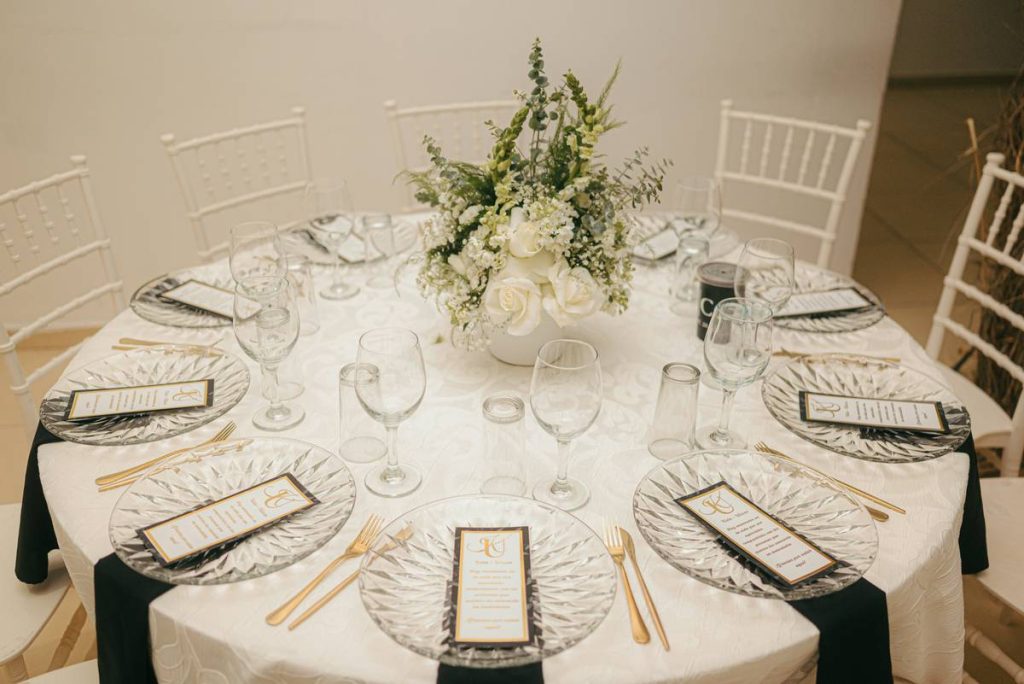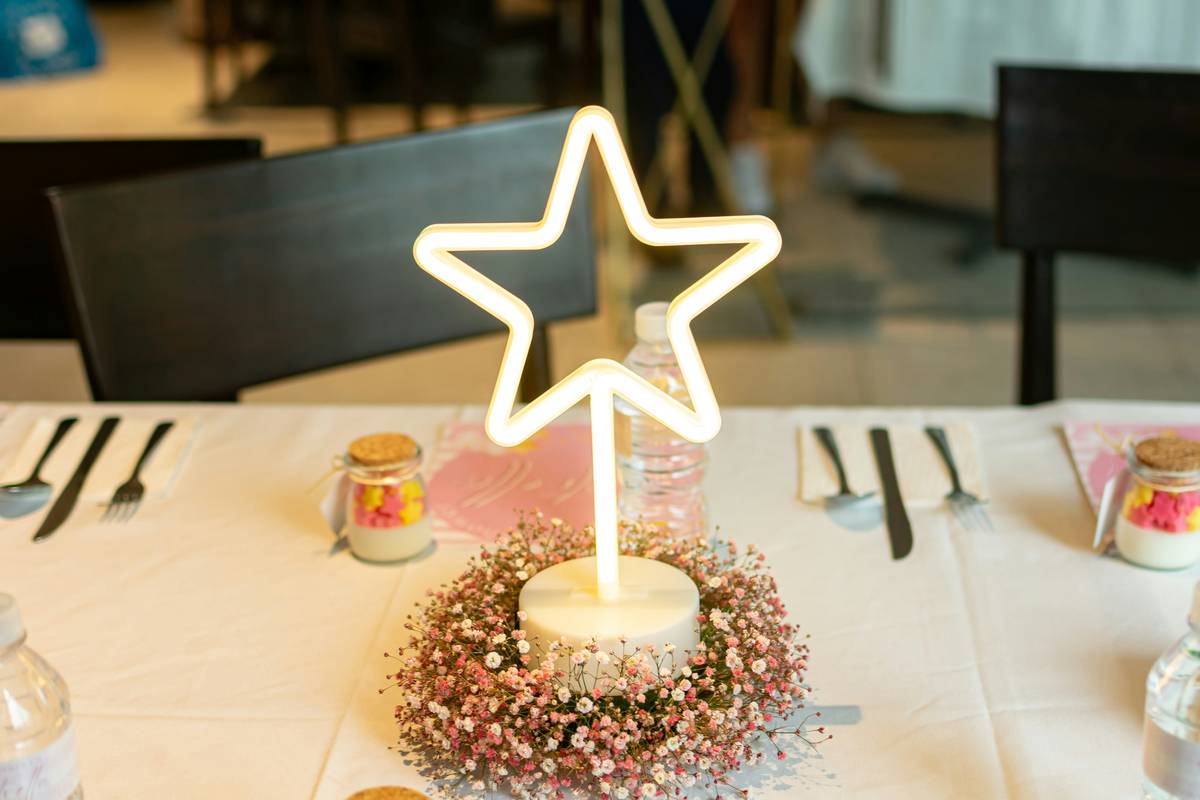
Ever walked into a beautifully set dining room—only to feel like something’s “off”? Chances are, the table centerpiece was either too loud, too low, or worse… completely missing. As someone who once turned a romantic dinner into a fire hazard with a towering candle arrangement (true story!), I know how one small oversight can upend your entire tablescape. Table centerpieces for home aren’t just decorative fillers—they anchor your space, influence mood, and quietly signal your design confidence. In this guide, we’ll walk through practical, budget-friendly strategies to choose, build, and style centerpieces that elevate—not overwhelm—your table.
Table of Contents
- Why Table Centerpieces Matter in Home Improvement
- Step-by-Step Guide to Building the Perfect Table Centerpiece
- Best Practices & Expert Tips
- Real-World Examples That Work
- Frequently Asked Questions
Key Takeaways
- Avoid obstructing eye contact—keep height under 12 inches for dining tables.
- Natural materials like wood, stone, or seasonal greenery add authenticity without clutter.
- Repeat colors from your room’s palette to create visual harmony.
- Always consider function: if you’re eating, keep candles away from flammable fabrics.
- Less is more—over-accessorizing is the #1 centerpieces mistake homeowners make.
Why Table Centerpieces Matter in Home Improvement
In home decor, the dining or coffee table often serves as a room’s emotional and visual nucleus. A well-chosen centerpiece signals care, cohesion, and personal style—while a poorly chosen one can make even an expensive setup feel haphazard. According to a 2022 interior design trends report by the American Society of Interior Designers (ASID), 68% of homeowners rank “thoughtful table styling” as a key factor in perceived home value during showings.
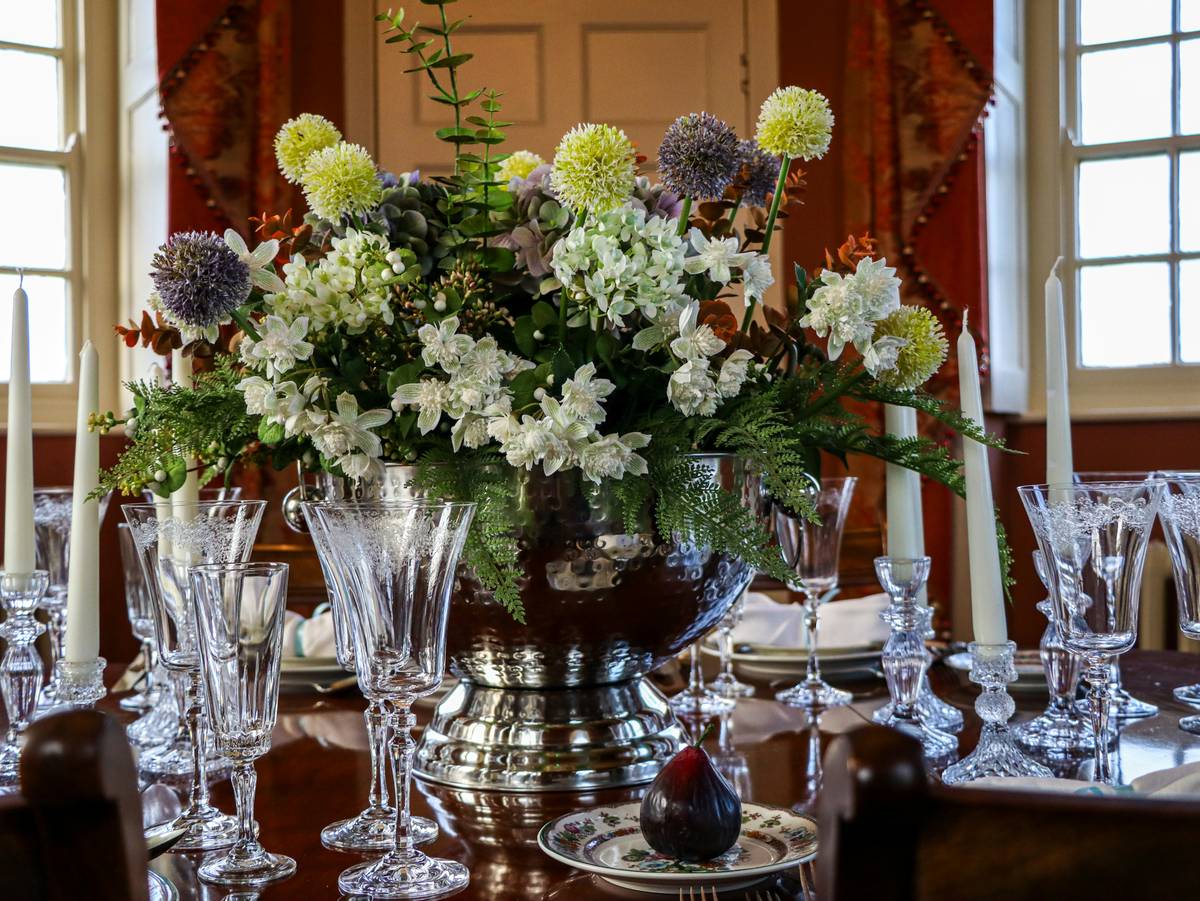
I learned this the hard way during a holiday dinner when my 18-inch tall crystal candelabra blocked my grandmother’s view of her grandkids. Conversation stalled, soup got cold—and my “elegant” touch became the evening’s punchline. That moment taught me: centerpieces should invite connection, not interrupt it.
Step-by-Step Guide to Building the Perfect Table Centerpiece
1. Define Your Purpose
Is this for daily use, special occasions, or purely decorative? Daily centerpieces should be durable and low-maintenance (think ceramic bowls or stacked books). Occasional pieces can be more elaborate—fresh flowers, floating candles, or fruit displays.
2. Measure Your Table
Rule of thumb: your centerpiece should occupy no more than one-third of your table’s surface length. For a standard 72-inch dining table, that’s about 24 inches max. Height-wise, stay under 12 inches for seated gatherings to preserve sightlines.
3. Choose a Base Element
Pick one anchor: a tray, a wooden slab, a vintage plate, or a woven basket. This grounds your composition and prevents a “scattered” look. At Colonial Carton, we often recommend reclaimed wood bases—they add warmth and tie into rustic or modern farmhouse aesthetics seamlessly (learn more about our design philosophy on our About Us page).
4. Add Layers Thoughtfully
Combine texture, height variation, and color—but limit yourself to three core elements. Example: a moss base + tapered candles + sprigs of dried lavender. Avoid mixing too many materials (glass, metal, ceramic, fabric) unless you’re highly experienced.
Best Practices & Expert Tips
- Seasonal rotation works wonders: Swap out elements quarterly—pinecones in winter, fresh peonies in spring—to keep your space feeling alive without major spending.
- Use what you own: A stack of vintage cookbooks, a bowl of lemons, or even a collection of seashells from vacation can become compelling centerpieces. No need to buy new.
- Beware the “terrible tip”: Pinterest may suggest filling your centerpiece with fairy lights, fresh-cut roses, and hanging crystals—but that’s sensory overload. Real homes need calm, not chaos.
- My pet peeve? People using massive glass vases filled with fake plastic flowers. They collect dust, look dated instantly, and scream “I gave up.” Opt for real dried botanicals or high-quality silk if allergies are a concern.
Real-World Examples That Work
A client in Asheville transformed her oak dining table using a simple $12 wooden tray from a local craft market. She layered in three short white pillar candles, scattered cinnamon sticks, and added two small potted succulents. The result? A warm, inviting focal point that lasted six months with zero maintenance. Guests consistently complimented the “effortless elegance”—proof that restraint beats extravagance.
Another example comes from a study by the University of Minnesota Extension, which found that households using natural, biophilic elements (like wood, plants, stone) in decor reported 23% higher satisfaction with their living spaces. You can read more about biophilic design principles on their official site: University of Minnesota Interior Design Guidelines.
Frequently Asked Questions
What are the best table centerpieces for small apartments?
Opt for compact, dual-purpose items like a shallow bowl holding both keys and dried oranges, or a single-stem vase on a mirrored coaster. Keep height minimal to avoid visual crowding.
How often should I change my table centerpieces for home?
There’s no rule—but refreshing seasonally (every 3 months) keeps your space feeling current. For daily-use tables, rotate every 6–8 weeks to prevent visual fatigue.
Can I use scented candles in my centerpiece?
Yes, but sparingly. Strong fragrances can clash with food aromas during meals. Unscented or lightly scented soy candles are safer for dining areas.
Where can I buy affordable centerpiece materials?
Dollar stores, farmers markets, thrift shops, and even your own backyard offer great options. We also curate seasonal decor kits—feel free to contact us for custom suggestions.
Do centerpieces affect home resale value?
Indirectly, yes. Staged homes with cohesive, tasteful table decor tend to photograph better and feel more “move-in ready,” according to real estate staging experts cited by the National Association of Realtors.
How do I clean and store delicate centerpieces?
Dust regularly with a soft brush. Store fragile items in acid-free tissue paper inside lidded bins. For privacy and data safety during online orders, review our Privacy Policy.
If you’re ready to transform your table from forgettable to fabulous—without falling into common traps—we’d love to help. Reach out via our Contact Us page for personalized advice or custom centerpiece consultations.
Remember: a great table doesn’t shout. It whispers welcome.